
Have you ever wondered what Artificial Intelligence really means? You might think it’s complicated, but it’s actually simpler than you imagine.
Understanding AI can change the way you see technology around you every day. This article will explain AI in clear, easy words so you can grasp its power and impact quickly. Keep reading, and you’ll discover how AI affects your life—often without you even noticing.
Ready to unlock the mystery? Let’s dive in!
Credit: www.eicta.iitk.ac.in
Basics Of Artificial Intelligence
Artificial Intelligence (AI) means making machines think like humans. It helps computers learn from data and make choices. AI can do tasks like recognizing voices, playing games, or driving cars.
There are three main types of AI:
- Narrow AI: Designed for one task, like voice assistants.
- General AI: Can do many tasks like a human.
- Super AI: Smarter than humans in all ways (still imaginary).
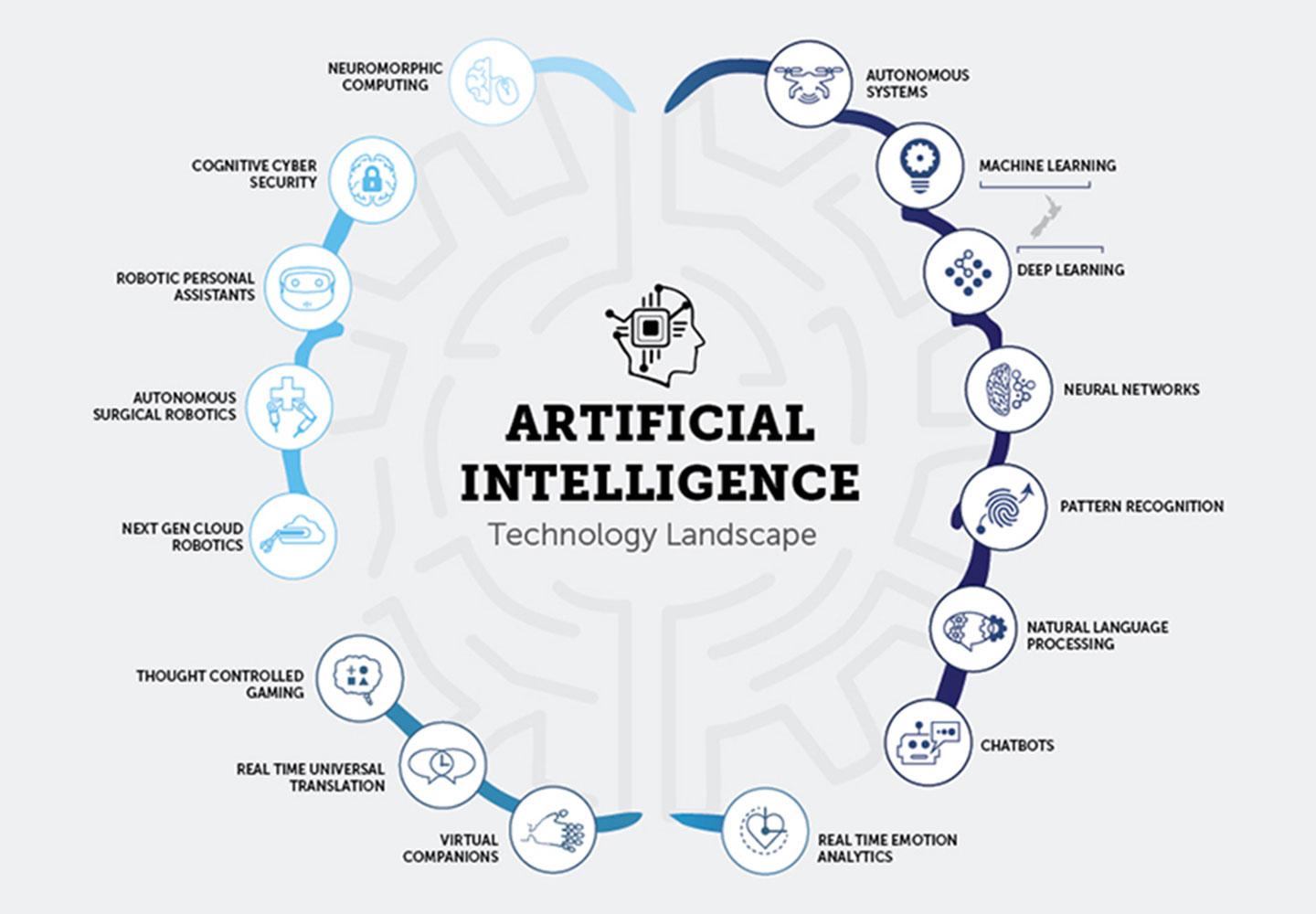
AI works by using data and rules. It learns from examples to improve over time. This learning is called machine learning. Computers find patterns and make predictions. The more data, the better AI performs.
Credit: www.aitimejournal.com
Everyday Uses Of Ai
Smartphones use AI to understand your voice and answer questions. AI helps cameras focus and improve pictures. It also suggests words when you type, making texting faster.
Many home devices like smart speakers use AI to play music or control lights. AI can learn your habits and make your home more comfortable. It also helps in security by recognizing faces or sounds.
Online services use AI to show you ads that fit your interests. AI helps websites recommend videos or products you might like. It also helps chatbots answer your questions quickly.
Benefits Of Ai
AI saves time and effort by doing tasks quickly. It can work all day without breaks. This helps people focus on other important jobs. AI improves accuracy by reducing mistakes. Machines follow rules exactly and do not get tired. This makes work more reliable and safe.
AI helps in decision making by giving useful information fast. It looks at lots of data and finds patterns humans might miss. This helps people choose the best options with confidence.
Challenges With Ai
Privacy concerns arise because AI collects and uses lots of personal data. This data might be shared without clear permission. People worry about who sees their information and how it is protected.
Job impact is another issue. AI can do tasks that humans used to do. This might cause some jobs to disappear. But it can also create new jobs in technology and other fields.
Ethical issues come up when AI makes decisions. Sometimes, AI can be unfair or biased. It may treat some groups of people differently. It is important to make AI fair and safe for everyone.
Future Of Ai
AI in Healthcare helps doctors find diseases faster. It looks at many records quickly. This means patients get treated sooner. AI also helps create new medicines. It can watch patients’ health all the time. This keeps people safer.
AI in Education makes learning easier for students. It can give lessons that fit each student’s needs. AI helps teachers by grading tests fast. It also uses games to make learning fun. Students can learn at their own speed.
AI in Transportation works in cars and buses. It helps drivers avoid accidents by warning them. Self-driving cars use AI to go safely. Traffic systems use AI to reduce jams. This saves time and fuel.

Credit: www.kdnuggets.com
Frequently Asked Questions
What Is Artificial Intelligence In Simple Terms?
Artificial intelligence (AI) is the ability of machines to mimic human thinking. It helps computers learn, solve problems, and make decisions like people do.
How Does Artificial Intelligence Impact Daily Life?
AI powers tools like voice assistants, recommendation systems, and smart devices. It makes tasks faster, easier, and more efficient in everyday life.
What Are Common Examples Of Artificial Intelligence?
Common AI examples include virtual assistants, chatbots, facial recognition, and self-driving cars. These systems use AI to understand data and respond intelligently.
Why Is Artificial Intelligence Important Today?
AI improves productivity, innovation, and problem-solving across industries. It helps businesses grow and enhances user experiences worldwide, shaping our future.
Conclusion
Artificial intelligence is a tool that helps computers think and learn. It makes many tasks easier and faster for people. AI is already part of daily life, from smartphones to smart homes. It will keep growing and changing how we live and work.
Understanding AI helps us use it wisely and safely. The future with AI holds many possibilities worth exploring.