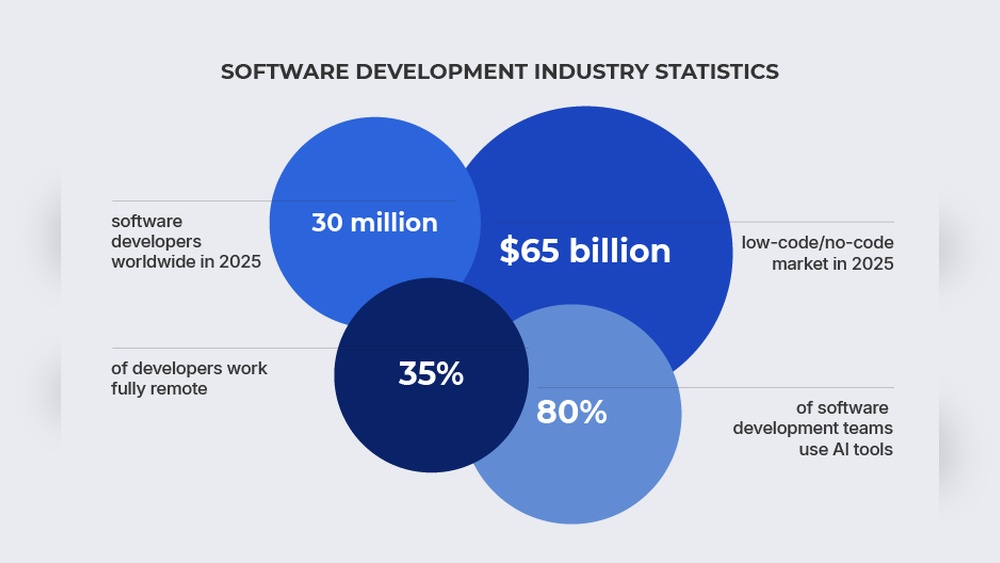
Are you ready to stay ahead in the fast-moving world of software development? Knowing the latest trends can give you a huge advantage, whether you’re a developer, a business owner, or someone interested in technology.
Imagine being the first to use tools and techniques that make your work faster, smarter, and more effective. You’ll discover the key software development trends shaping the future—and how they can impact your projects and goals. Keep reading to unlock insights that could transform the way you build and innovate.
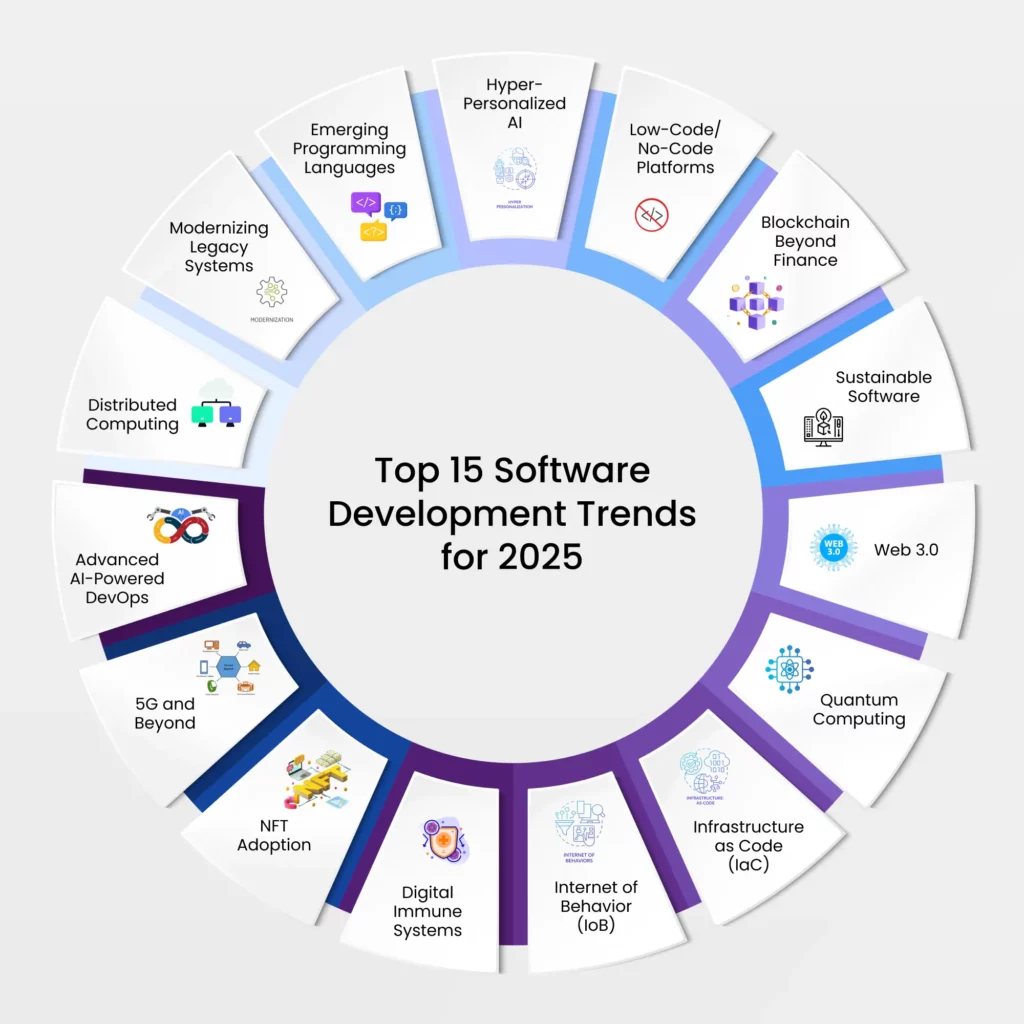
Emerging Programming Languages
Languages like Rust, Kotlin, and TypeScript are gaining popularity quickly. They help developers write safer and cleaner code. These languages often reduce bugs and make projects easier to maintain.
Development speed improves with these languages because they have modern tools and clear syntax. Developers spend less time fixing errors and more time building features.
| Language | Impact on Speed | Best Project Types |
|---|---|---|
| Rust | Fast, with safe memory use | System software, games |
| Kotlin | Quick, easy to read | Android apps, backend |
| TypeScript | Speeds up JavaScript coding | Web apps, frontend |
Ai And Machine Learning Integration
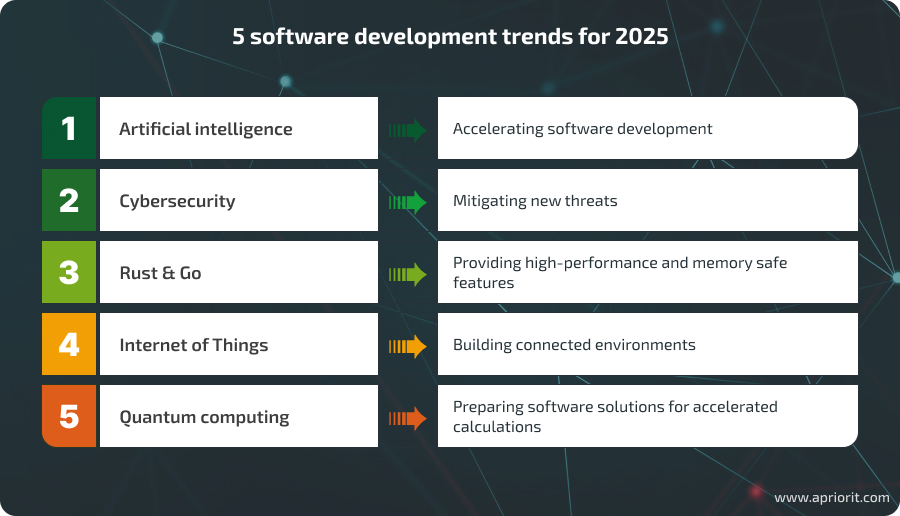
Automated code generation helps developers write code faster. It uses AI to create parts of programs automatically. This saves time and reduces errors. Developers can focus on solving bigger problems instead of writing every line.
Intelligent testing tools check software for bugs and issues smartly. These tools use machine learning to find problems early. They help improve software quality. Testing becomes faster and more reliable with these tools.
Predictive analytics helps teams guess future problems in development. It uses data to predict delays or bugs. This allows teams to fix issues before they happen. Planning and decision-making get better with these insights.
Cloud-native Development
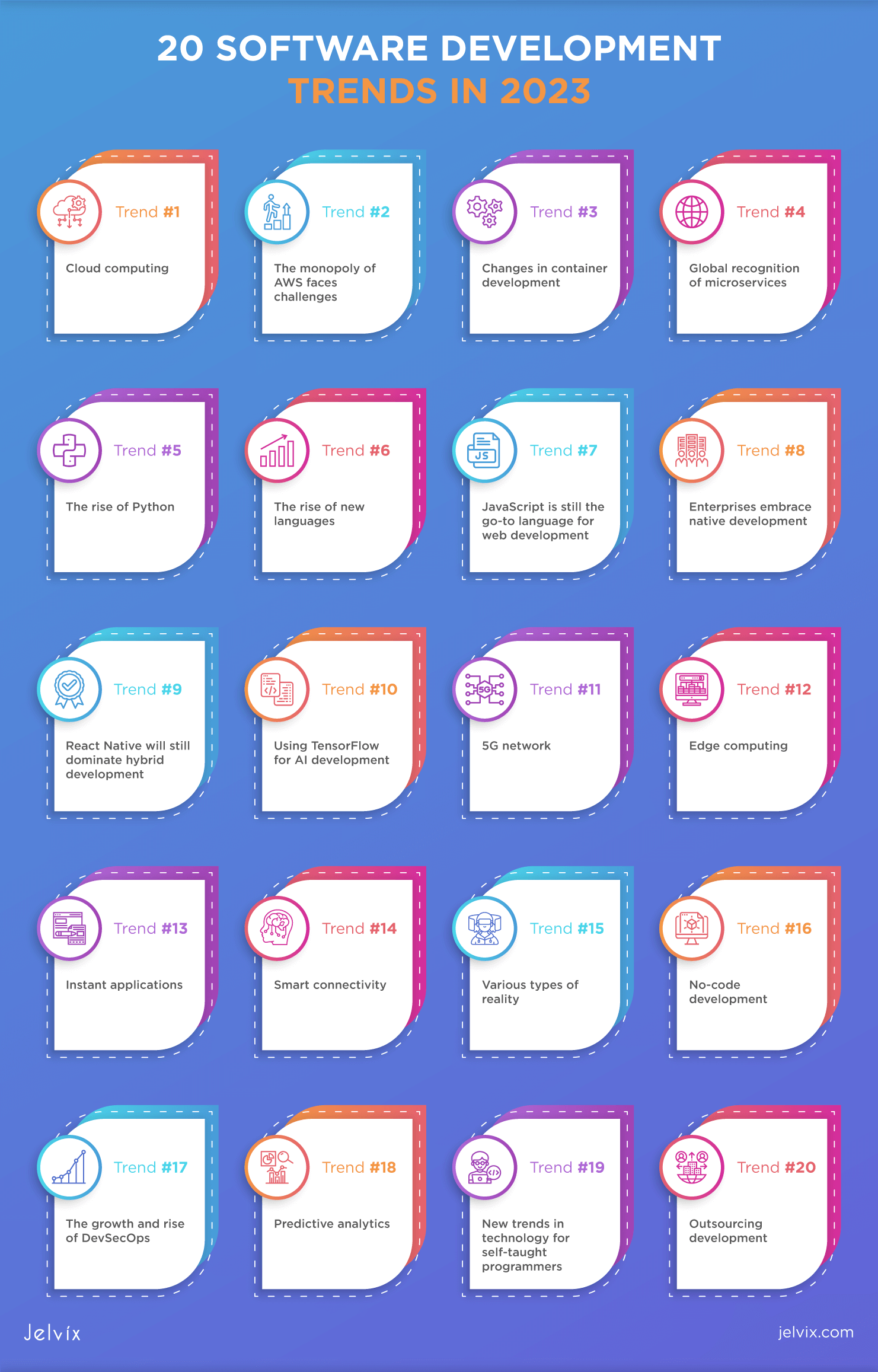
Microservices architecture breaks big apps into small parts. Each part does one job. This helps teams work faster and fix problems easily. It also lets apps grow or shrink based on need.
Serverless computing lets developers run code without managing servers. It saves time and cost. The cloud provider handles the servers. Developers focus only on writing code.
| Containerization Advances | Benefits |
|---|---|
| Use of Docker and Kubernetes | Easy app deployment and scaling |
| Lightweight and portable containers | Run anywhere, fast startup |
| Better resource use | Save money and improve performance |
Low-code And No-code Platforms
Low-code and no-code platforms let people build apps without deep coding skills. This helps citizen developers create solutions quickly and easily. Businesses can get new apps faster, saving time and money.
These platforms use drag-and-drop tools and pre-built templates. This makes app building simple for many users. It speeds up application delivery, helping teams respond to changes fast.
Some limitations and challenges exist. Apps made may lack custom features. Security and control can be concerns. Complex projects might need traditional coding.
| Aspect | Details |
|---|---|
| Empowering Citizen Developers | Non-technical users create apps with ease |
| Accelerating Application Delivery | Faster development using visual tools |
| Limitations and Challenges | Less flexibility, security, and complex needs |
Enhanced Cybersecurity Measures
Secure coding practices help developers write safe software. They reduce bugs that hackers can exploit. Writing clear, simple code is key. Teams often follow rules to avoid common mistakes.
Automated vulnerability scanning uses tools to find security problems fast. It checks code for weak spots and risks. Scanners work regularly to catch new issues early. This saves time and protects users better.
Zero trust architecture means trusting no one by default. Every user and device must prove who they are. It limits access to only what is needed. This approach stops many cyber attacks before they start.
Credit: www.jellyfishtechnologies.com
Devops And Continuous Delivery
Automation tools help teams build, test, and release software faster. They reduce manual work and catch errors early. Popular tools include Jenkins, GitLab CI, and CircleCI. These tools run scripts automatically to keep the process smooth.
Infrastructure as Code (IaC) means managing servers and networks using code. This makes setups repeatable and less prone to mistakes. Tools like Terraform and Ansible let developers write simple code to create and change infrastructure.
Shift-left testing means testing software early in the development cycle. It finds bugs sooner and saves time. Developers write tests during coding, not after. This helps deliver better software with fewer problems.
Quantum Computing Influence
Quantum computing can change how software works. It can solve tough problems fast. Many fields like medicine, finance, and security may benefit. For example, it can help find new medicines or improve data safety.
Current challenges slow progress. Quantum computers need very cold temperatures to work. They are also error-prone and hard to build. Software must be different to use these new machines well.
Getting ready means learning new skills. Developers must understand quantum algorithms and new tools. Companies may start small projects to gain experience. Preparing now helps take advantage later.
Credit: www.apriorit.com
Augmented Reality And Virtual Reality
Development frameworks for Augmented Reality (AR) and Virtual Reality (VR) help create apps fast. Popular tools include Unity, Unreal Engine, and ARKit. These frameworks offer built-in features to handle 3D graphics, user input, and device sensors. They also support multiple platforms like iOS, Android, and Windows.
Common use cases for AR and VR software include education, gaming, healthcare, and real estate. Schools use AR to make lessons fun and interactive. VR helps doctors train without risks. Real estate agents show homes with virtual tours.
Performance optimization is key for smooth AR/VR experiences. Developers reduce lag by lowering graphic details. Efficient coding and memory use improve app speed. Testing on many devices ensures apps run well everywhere.
Sustainable Software Practices
Energy-efficient coding saves power by writing simpler and faster programs. Clean code uses fewer computer resources. This helps devices run cooler and last longer.
Green data centers use renewable energy like solar or wind. They reduce pollution and save money on power bills. Cooling systems are designed to use less water and energy.
Reducing carbon footprint means cutting down harmful gases released into the air. Software teams track their energy use and find ways to lower it. Small changes in coding and hardware choice make a big difference.
Credit: jelvix.com
Frequently Asked Questions
What Are The Top Software Development Trends In 2024?
In 2024, key trends include AI integration, low-code platforms, cloud-native development, and DevSecOps. These trends enhance efficiency, security, and scalability in software projects, driving innovation across industries.
How Does Ai Impact Software Development Today?
AI automates coding, testing, and debugging, speeding up development cycles. It also enables smarter applications with machine learning, improving user experiences and decision-making processes.
Why Is Cloud-native Development Important Now?
Cloud-native development ensures applications are scalable, resilient, and easy to update. It supports faster deployment and better resource management, aligning with modern business needs for agility.
What Role Does Devsecops Play In Software Trends?
DevSecOps integrates security into every development phase, reducing vulnerabilities early. It promotes collaboration between developers and security teams, ensuring safer and more reliable software releases.
Conclusion
Software development trends shape how apps and programs grow. Staying updated helps developers create better, faster software. New tools and methods make coding easier and more efficient. Teams work smarter using these trends every day. The future of software looks bright and full of change.
Keep learning and adapting to stay ahead. This keeps your skills strong and your projects successful. Embrace change, and watch your software improve step by step.