Are you looking for a smarter way to manage your data and run your business smoothly? Cloud computing services might be exactly what you need.
Imagine accessing your files anytime, anywhere, without worrying about hardware or storage limits. Sounds freeing, right? You’ll discover how cloud computing can simplify your work, save you money, and boost your productivity. Keep reading, and you’ll learn how to make the most of these powerful tools for your success.
Credit: www.timetraining.ae
Benefits For Business Growth
Scalability and flexibility help businesses grow easily. Companies can add or reduce resources fast. This means paying only for what they use. It helps handle busy times without problems.
Cost savings and efficiency come from using cloud services. No need to buy expensive hardware. Maintenance is done by the provider. This saves money and time for businesses.
Improved collaboration happens because cloud tools let teams work together online. People can share files and edit them at the same time. This makes teamwork faster and easier.
Faster time to market means products reach customers quicker. Cloud services provide ready tools and platforms. This reduces the time needed to build and launch new ideas.
Types Of Cloud Services
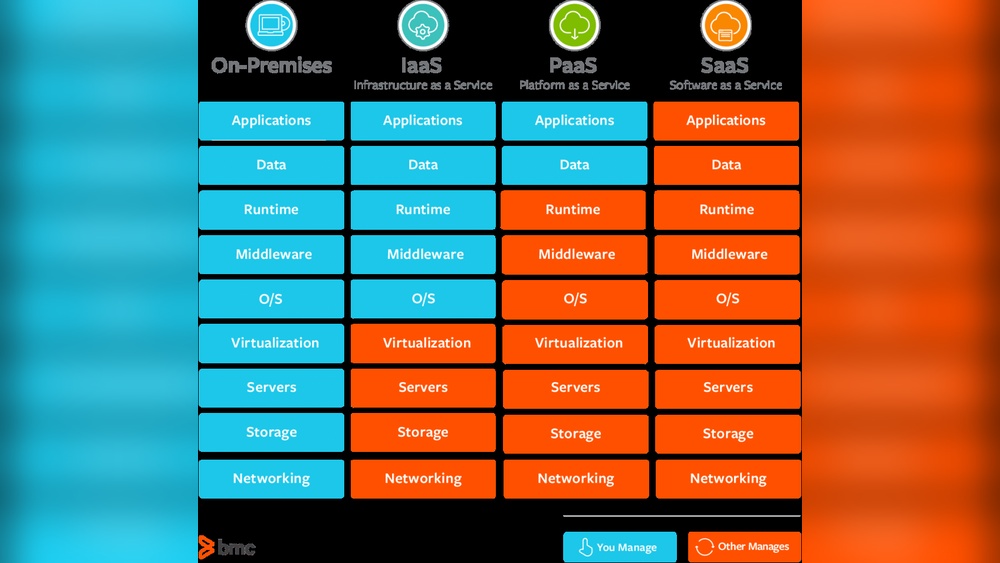
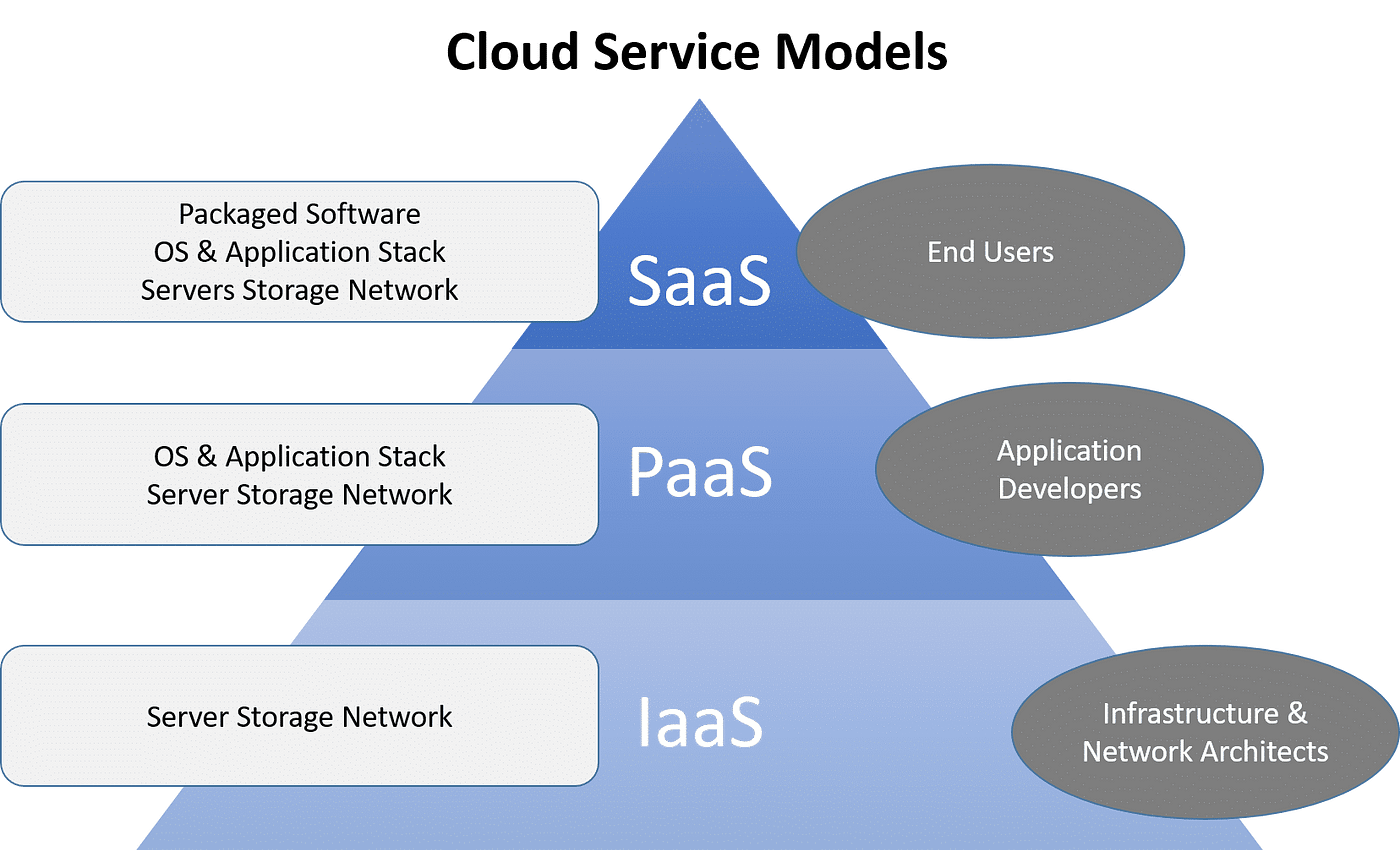
Infrastructure as a Service (IaaS) offers virtual machines, storage, and networks. It lets users rent computing power without buying hardware. Users control operating systems and apps while the provider manages servers and storage.
Platform as a Service (PaaS) provides a ready environment to build and run apps. It includes tools, libraries, and services. Developers focus on coding without managing servers or infrastructure.
Software as a Service (SaaS) delivers ready-to-use software over the internet. Users access apps via web browsers without installation. It is easy to use and update automatically.
Key Cloud Deployment Models
Public Cloud means services offered over the internet by companies. Many users share the same resources, making it cost-effective. It is easy to use and scales quickly for growing needs. Security is managed by the provider, but users share the environment with others.
Private Cloud is used by one organization only. It offers more control and security since resources are not shared. Ideal for businesses with strict rules or sensitive data. It can be hosted on-site or by a third party.
Hybrid Cloud combines public and private clouds. It allows moving data between both types for flexibility. Good for businesses needing both strong security and easy access. This model helps balance costs and control.
Security And Compliance
Data protection is key in cloud computing. It uses encryption to keep data safe. Strong passwords and multi-factor authentication stop unwanted access. Regular backups help recover data if lost. Cloud providers often update security to fix weak points.
Regulatory compliance means following laws that protect data. Companies must know rules like GDPR or HIPAA. These rules say how to collect, store, and share data safely. Cloud services help track data use and create reports. This makes passing audits easier.
Risk management looks for possible problems before they happen. It checks for weak spots in security and plans fixes. Using firewalls and anti-virus software reduces threats. Training workers about safe habits also lowers risks. Monitoring systems find threats fast to stop damage.
Choosing The Right Cloud Provider
Choosing a cloud provider means checking their service offerings. Look for storage options, compute power, and security features that fit your needs. Some providers offer specialized tools like AI or big data support.
Reliability is key. Find out the provider’s uptime guarantees and backup plans. Good customer support helps solve problems fast. Check if support is 24/7 and easy to reach.
| Cost Factor | What to Check |
|---|---|
| Pricing Models | Pay-as-you-go or fixed plans |
| Hidden Fees | Data transfer and setup charges |
| Scaling Costs | Price changes when usage grows |

Credit: www.researchgate.net
Future Trends In Cloud Computing
Edge computing moves data processing closer to devices. This helps reduce delays and saves bandwidth. It supports fast decisions in smart homes and cities. AI and machine learning are used to make systems smarter. They help predict problems and improve services automatically. AI learns from data and gets better over time.
Serverless architecture lets developers run code without managing servers. It cuts costs and speeds up app delivery. This setup scales up or down based on demand. It fits well with cloud services for flexible computing.
Credit: medium.com
Frequently Asked Questions
What Are The Main Types Of Cloud Computing Services?
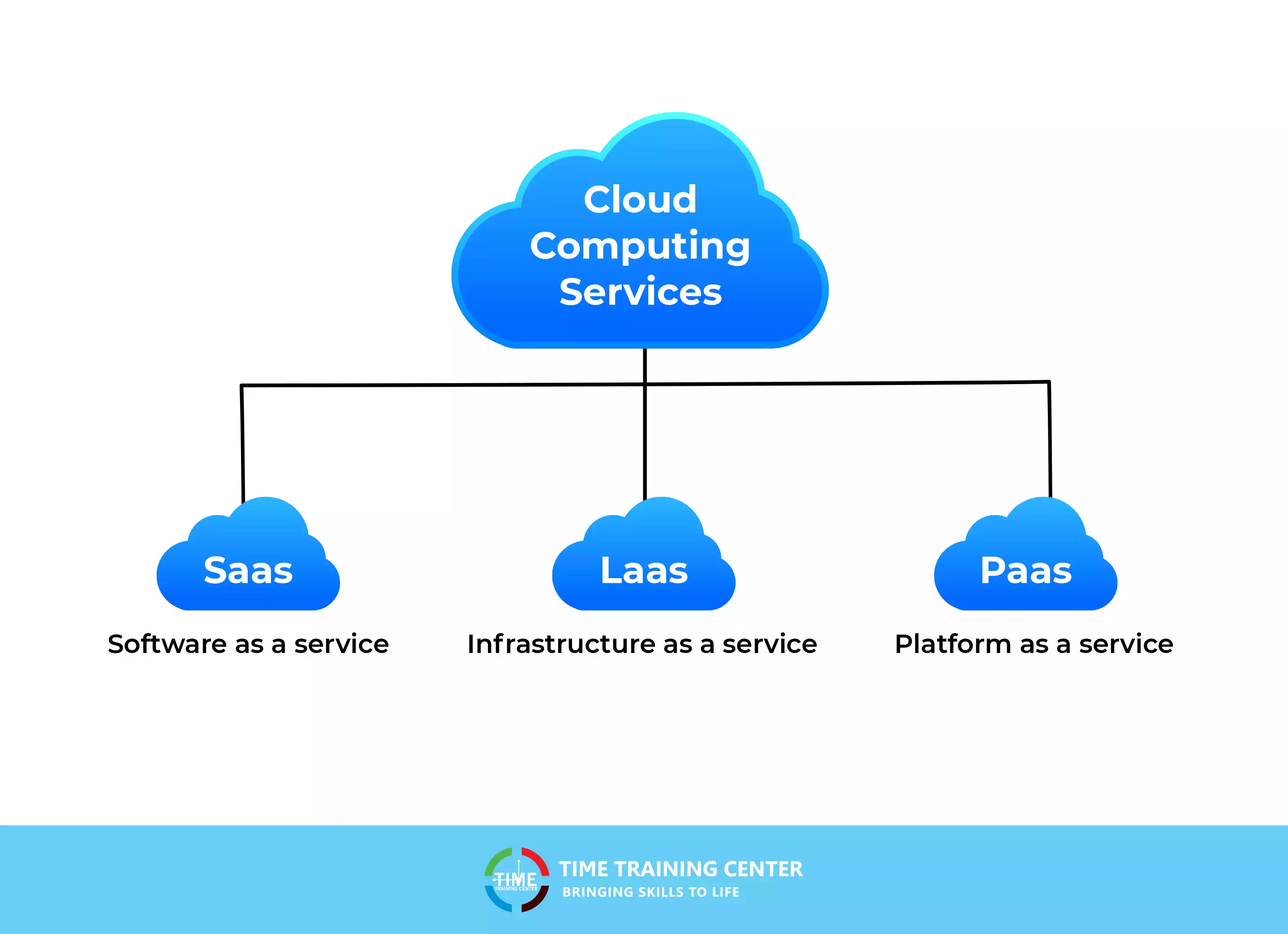
Cloud computing services include Infrastructure as a Service (IaaS), Platform as a Service (PaaS), and Software as a Service (SaaS). Each type offers different levels of control, flexibility, and management to suit business needs and technical requirements.
How Does Cloud Computing Improve Business Efficiency?
Cloud computing enables scalable resources, reduces hardware costs, and enhances collaboration. It allows businesses to access data anywhere, speeding up workflows and improving overall productivity without heavy upfront investments.
Is Cloud Computing Secure For Sensitive Data?
Cloud providers use advanced encryption, firewalls, and compliance certifications to protect data. While no system is 100% secure, reputable services implement strong measures to ensure data confidentiality and integrity.
Can Small Businesses Benefit From Cloud Computing?
Yes, small businesses gain access to affordable, scalable technology without large capital expenses. Cloud services offer flexibility, easy upgrades, and tools that support growth and competitive advantage.
Conclusion
Cloud computing services offer many benefits for businesses and individuals. They provide easy access to data and applications from anywhere. Costs can be lower because there is no need for expensive hardware. Security and backup options keep information safe. Cloud services also allow for quick scaling as needs change.
Choosing the right service depends on your specific needs. Embracing cloud technology can help improve efficiency and flexibility. It’s a smart step toward modern computing.