Have you ever wondered how your phone recognizes your face or how online shopping sites suggest products you actually like? That’s machine learning at work.
It’s changing the way you interact with technology every day, making life easier and smarter. You’ll discover the amazing ways machine learning is used across different fields—from healthcare to entertainment—and how it could impact your world. Keep reading to unlock the secrets behind these powerful applications and see how they might benefit you.
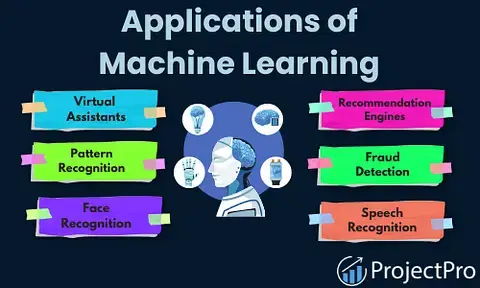
Credit: www.projectpro.io
Machine Learning In Healthcare
Predictive diagnostics helps doctors find diseases early. Machines study health data to guess who might get sick soon. This can save lives by starting treatment faster.
Personalized treatment plans mean care fits each person. Machine learning looks at patient details to suggest best medicines and doses. This way, treatments work better and cause fewer problems.
Medical imaging analysis uses AI to read X-rays, MRIs, and scans. It spots issues like tumors or broken bones quickly. This helps doctors make faster and better decisions.
Drug discovery and development is faster with machine learning. Computers test many chemical combinations to find new medicines. This speeds up creating drugs that can help patients.
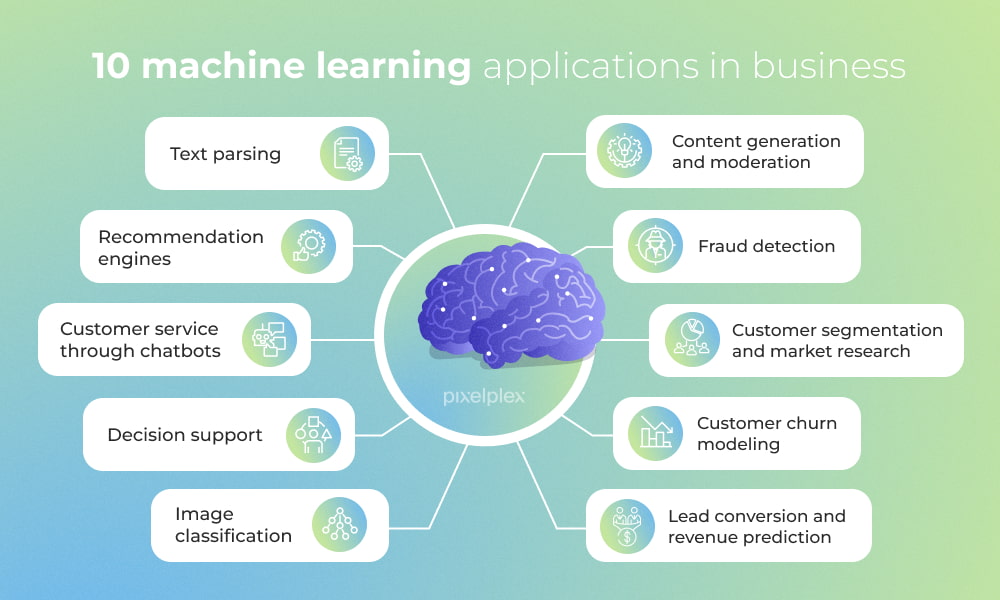
Credit: pixelplex.io
Finance And Machine Learning
Fraud detection uses machine learning to find fake or illegal actions in finance. Algorithms study past fraud cases to spot unusual patterns fast. This helps banks stop theft and protect customers.
Algorithmic trading lets computers buy and sell stocks automatically. Machine learning models analyze market trends and make quick decisions. This helps traders act faster than humans.
Credit scoring predicts if a person can repay a loan. Machine learning looks at many details like payment history and income. It gives a score that helps banks decide who gets credit.
Risk management means finding and lowering money risks. Machine learning finds risks by checking data for signs of trouble. This helps companies avoid big losses and keep money safe.
Retail And Customer Experience
Recommendation engines help stores suggest products customers like. They study past buys and choices. This makes shopping faster and more fun.
Inventory management uses machine learning to track stock levels. It predicts which items will sell more. This helps stores avoid running out or having too much stock.
Customer sentiment analysis reads reviews and comments. It finds out if customers feel happy or upset. This helps stores improve their service and products.
Dynamic pricing changes prices based on demand and competition. It helps stores set the best price at the right time. This can boost sales and keep customers satisfied.
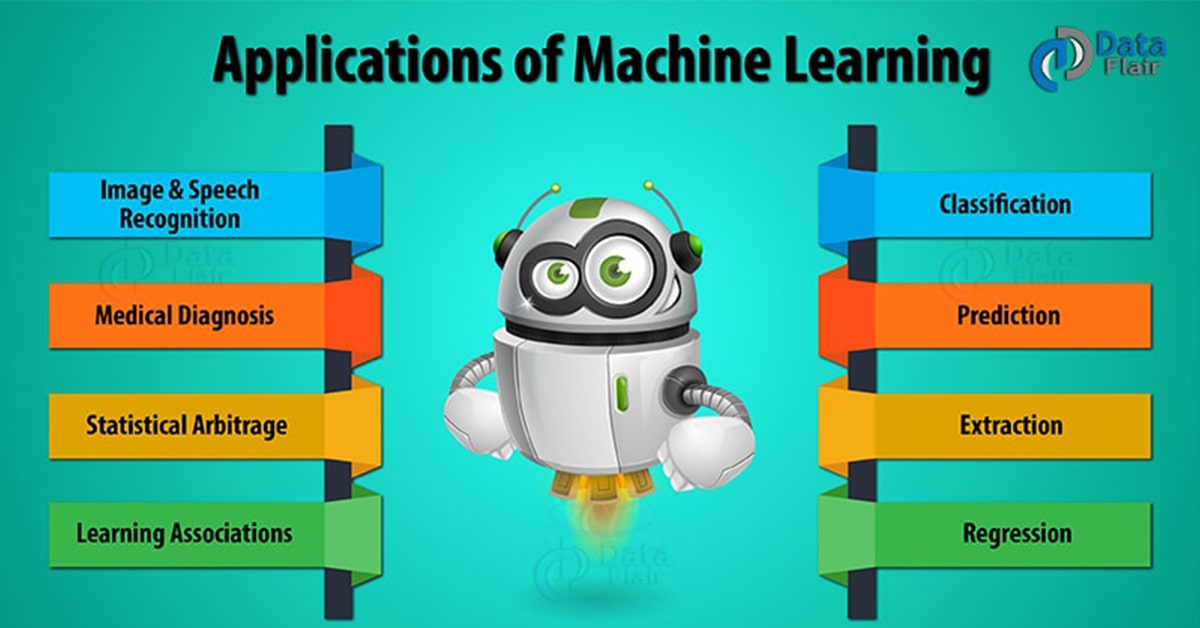
Credit: www.fesfranciscanas.com
Manufacturing And Automation
Predictive maintenance helps factories fix machines before they break. Sensors collect data from machines. This data shows signs of wear or failure. Fixing issues early saves time and money. It stops big problems that can slow down work.
Quality control uses machine learning to spot defects. Cameras and sensors check every product. The system finds errors faster than humans. This keeps products safe and good for customers. It also lowers waste and costs.
Supply chain optimization makes sure materials arrive on time. Algorithms plan the best routes and schedules. This cuts delays and extra costs. Factories get what they need, when they need it.
Robotics integration means machines work with robots smoothly. Robots can do hard or boring tasks. Machine learning helps robots learn and improve. This raises speed and accuracy on the factory floor.
Transportation And Logistics
Route Optimization helps vehicles find the fastest and shortest paths. It saves time and fuel. This makes deliveries quicker and cheaper. Software uses real-time data like traffic and weather.
Autonomous Vehicles drive themselves using sensors and cameras. They can reduce human errors and accidents. These vehicles learn from data to improve driving skills daily.
Demand Forecasting predicts how many goods will be needed. This helps companies plan better. They can avoid overstocking or running out of products.
Fleet Management tracks all vehicles in a company. It monitors fuel use, routes, and maintenance. This keeps the fleet running smoothly and saves money.
Machine Learning In Education
Personalized learning paths help students learn at their own pace. Each student gets lessons that fit their skills and needs. This makes learning easier and more fun. Teachers can see what each student needs to improve.
Automated grading saves time for teachers. Computers can quickly check tests and homework. This helps teachers focus more on teaching and less on paperwork. The grades are fair and fast.
Student performance prediction uses data to guess how well a student will do. Schools can find students who need extra help early. This helps stop problems before they get big.
Virtual tutors are online helpers that answer questions anytime. They help students understand hard topics. Students can learn anytime, even outside school hours. It feels like having a teacher always nearby.
Challenges And Future Trends
Data privacy concerns are a big challenge in machine learning. People worry about how their personal data is used. Protecting sensitive information is very important. Laws and rules help keep data safe. Companies must follow these rules to avoid problems.
Model interpretability means understanding how a machine learning model makes decisions. Some models are like black boxes. This makes it hard to trust their results. Clear and simple models are easier to explain. This helps users feel confident in the system.
Scalability issues appear when machine learning grows bigger. More data and users need more power and memory. Systems must handle this growth smoothly. Efficient designs and better hardware can solve these problems.
Emerging technologies bring new tools for machine learning. Examples include quantum computing and edge AI. These can make systems faster and smarter. They open doors for new ideas and uses.
Frequently Asked Questions
What Are Common Applications Of Machine Learning Today?
Machine learning is widely used in image recognition, speech processing, and recommendation systems. It powers healthcare diagnostics, fraud detection, and autonomous vehicles. These applications improve efficiency and personalize user experiences across industries.
How Does Machine Learning Improve Business Decision-making?
Machine learning analyzes large data sets to identify trends and patterns. It helps businesses predict customer behavior, optimize operations, and reduce costs. This leads to smarter, data-driven decisions and increased competitive advantage.
Which Industries Benefit Most From Machine Learning?
Industries like healthcare, finance, retail, and transportation greatly benefit. Machine learning enhances patient care, detects fraud, personalizes shopping, and improves logistics. Its adaptability allows tailored solutions in diverse sectors.
Can Machine Learning Automate Routine Tasks Effectively?
Yes, machine learning automates repetitive tasks such as data entry and customer support. It increases accuracy and frees human workers for complex activities. Automation boosts productivity and reduces operational errors.
Conclusion
Machine learning is changing many parts of our daily lives. It helps in healthcare, business, and even entertainment. We see its effects in smart apps and better services. The technology keeps growing fast and will touch more areas soon. Everyone can benefit from learning about these tools.
The future holds many chances to use machine learning for good. Staying informed helps us use this technology wisely and fairly.