Are you struggling to stay focused and remember what you study? You’re not alone.
Finding the right study tips can make all the difference in turning your hard work into real results. Imagine feeling confident before every test and finishing your assignments faster. This article will share simple but powerful strategies designed just for you.
Keep reading to discover how small changes can boost your learning and help you reach your goals with less stress. Your best study habits start here.

Credit: www.byui.edu
Effective Time Management
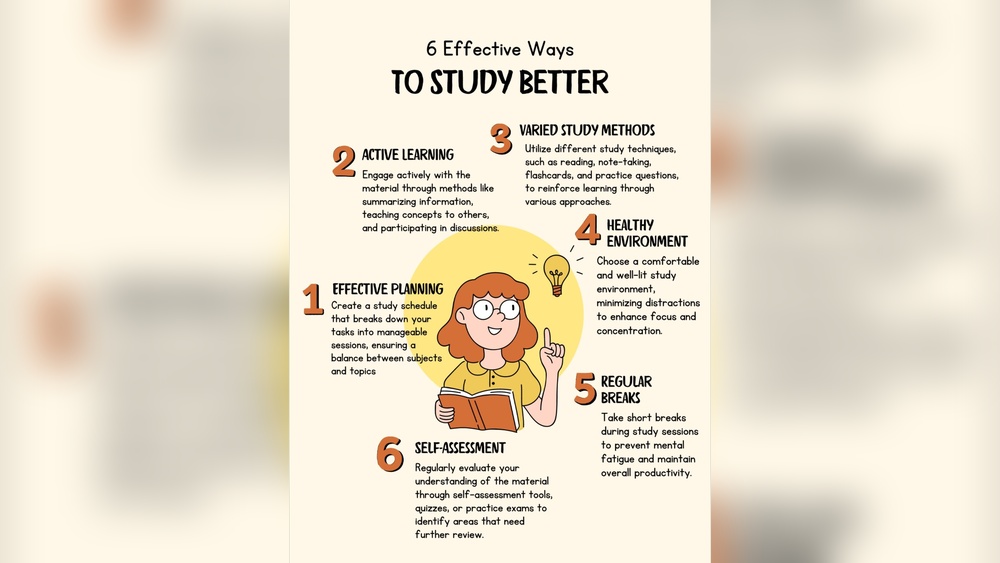
Creating a study schedule helps organize time well. Set specific times for each subject or task. Break study time into small chunks with short breaks. This keeps the mind fresh and focused.
Prioritizing tasks means doing the most important work first. List all tasks and rank them by urgency. Start with subjects or assignments that need more effort or have closer deadlines.
Avoiding procrastination is key to staying on track. Use simple tricks like setting a timer to study for 20 minutes. Take a quick break, then start again. Remove distractions like phones or noisy places to keep focus strong.
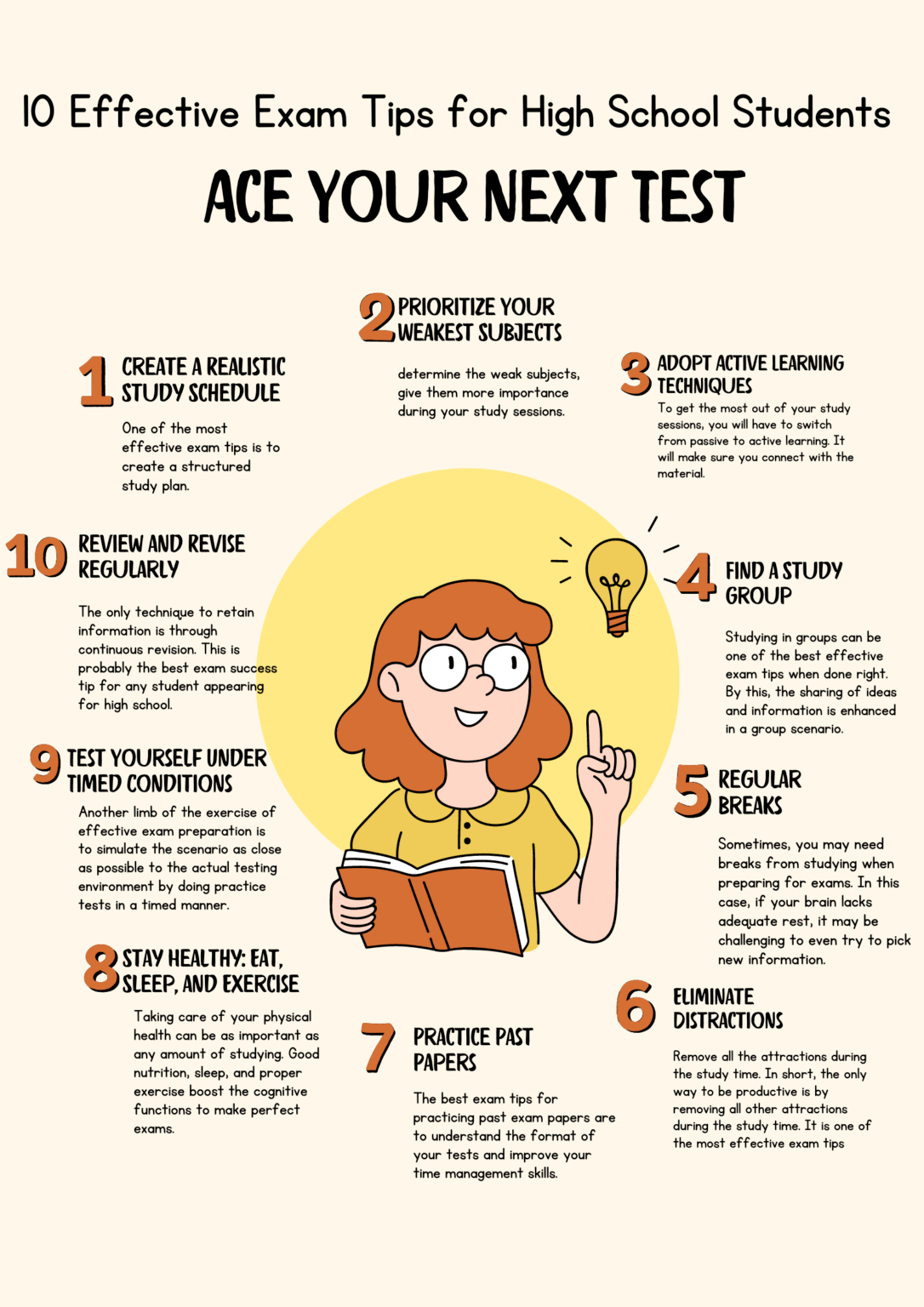
Credit: elearninginfographics.com
Active Learning Techniques
Taking efficient notes helps remember important points. Use short sentences and bullet points. Write keywords, not full sentences. Review notes soon after class to keep ideas fresh.
Mind maps show how ideas connect. Start with a main idea in the center. Draw branches for related topics. Use colors and drawings to make it clear. This method helps see the big picture quickly.
Group studies let students share ideas and ask questions. Discussing topics out loud makes learning easier. Teach each other to remember facts better. Keep groups small to stay focused and organized.
Improving Focus And Concentration
Removing distractions helps the mind stay on tasks. Turn off phones or put them away. Find a quiet place free from noise. Clear your desk to keep only study materials.
The Pomodoro Technique breaks work into short bursts. Study for 25 minutes, then take a 5-minute break. Repeat this four times, then take a longer break. It keeps focus sharp and stops tiredness.
Setting clear goals guides study sessions. Write down what to finish each day. Small goals make big tasks easier. Check off tasks to feel progress and stay motivated.
Memory Enhancement Methods
Mnemonics help remember facts by linking them to simple words or phrases. This trick makes learning easier and fun. Using acronyms or rhymes can boost memory quickly.
Regular review sessions keep information fresh in the mind. Short, daily study times work better than long, rare ones. Repeating lessons helps the brain store knowledge for longer.
Teaching others forces the brain to explain and understand topics clearly. This method shows what is well learned and what needs more work. Sharing knowledge also builds confidence.
Healthy Study Habits
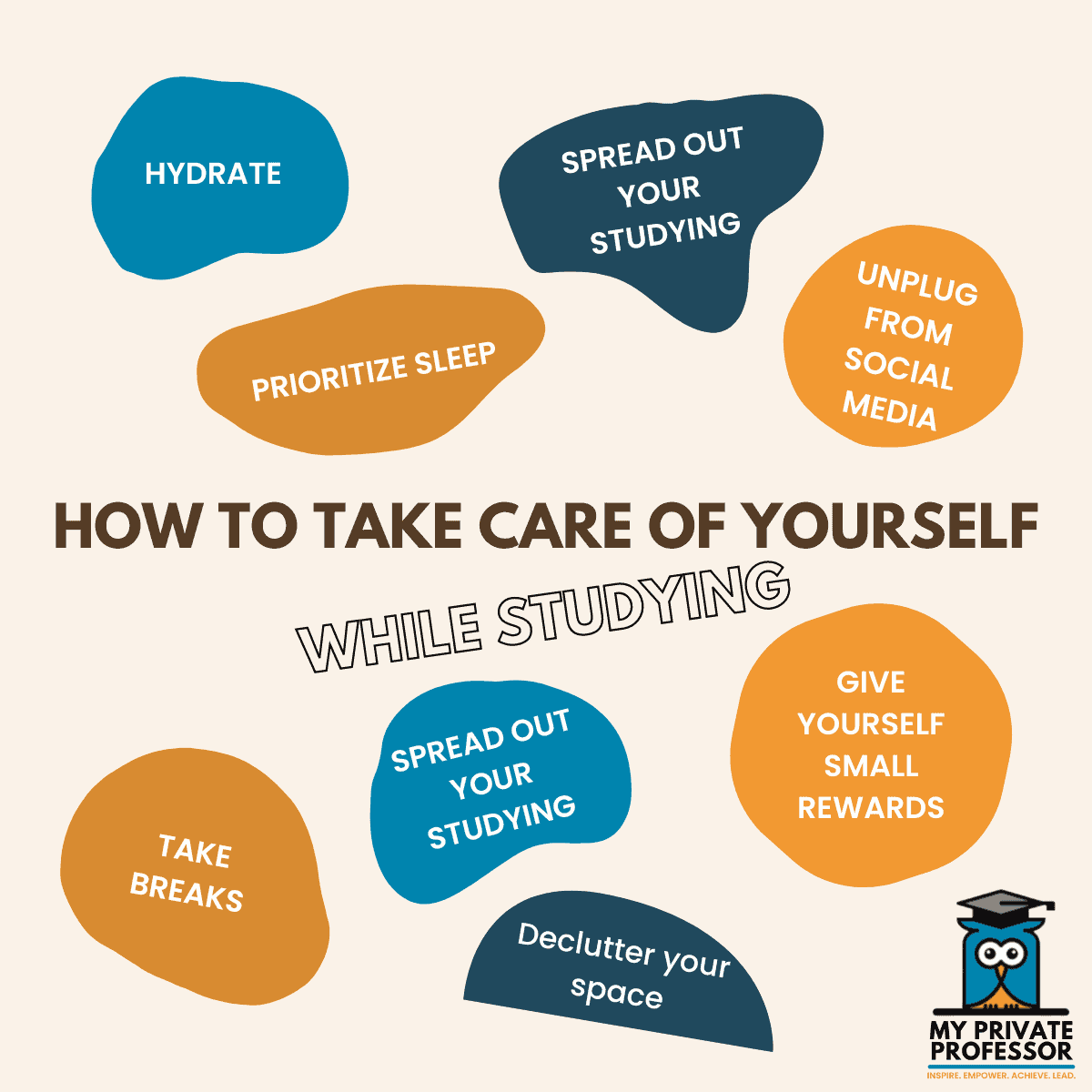
A balanced diet helps the brain stay active and strong. Eat fruits, vegetables, and proteins daily. Drink plenty of water to keep your body hydrated. Avoid too much sugar and junk food.
Adequate sleep is very important. Sleep helps your brain rest and grow. Try to get 8 to 9 hours of sleep every night. Good sleep improves memory and focus.
Regular physical activity keeps your body healthy and your mind sharp. Simple exercises like walking, running, or playing sports work well. Moving your body helps reduce stress and boosts energy for studying.
Utilizing Study Resources
Many online tools can help students study better. Websites with videos and quizzes make learning fun and easy. Apps also offer flashcards and notes for quick review. Using these tools often improves memory and understanding.
Talking to teachers and peers helps clear doubts fast. Teachers explain hard topics in simple ways. Friends can share tips and study plans. Group study makes learning less lonely and more effective.
Practice tests help check what you know. They show which subjects need more work. Taking tests often builds confidence and reduces exam fear. Reviewing answers helps find and fix mistakes quickly.
Handling Exam Stress
Relaxation helps calm the mind and body before exams. Deep breathing and short breaks clear stress quickly. Stretching or a short walk can refresh your focus. Listening to soft music may also help you relax.
Thinking positively boosts confidence. Saying simple phrases like “I can do this” or “I am ready” calms nerves. Visualizing success makes you feel prepared and strong.
| Test-taking Strategy | Description |
|---|---|
| Read Instructions Carefully | Understand questions before answering to avoid mistakes. |
| Manage Your Time | Divide time for each section and keep track. |
| Answer Easy Questions First | Build confidence and save time for harder ones. |
| Review Your Answers | Check for mistakes if time allows at the end. |
Credit: myprivateprofessor.com
Frequently Asked Questions
What Are The Best Study Tips For Students To Improve Focus?
To improve focus, students should create a distraction-free study area, set specific goals, and use techniques like the Pomodoro method. Regular breaks and staying hydrated also enhance concentration and productivity during study sessions.
How Can Students Manage Their Time Effectively For Studying?
Students can manage time by planning a study schedule, prioritizing tasks, and breaking study sessions into manageable chunks. Using planners or digital apps helps track progress and avoid procrastination, leading to better time management and consistent study habits.
What Are Effective Ways To Retain Information While Studying?
Effective retention involves active learning methods such as summarizing notes, teaching others, and using flashcards. Repetition and spaced review sessions strengthen memory, making it easier for students to recall information during exams or assignments.
How Important Is A Healthy Lifestyle For Students’ Study Success?
A healthy lifestyle is crucial for academic success. Proper sleep, balanced nutrition, and regular exercise improve brain function, reduce stress, and boost energy levels, enabling students to study more efficiently and retain information better.
Conclusion
Good study habits help students learn better and faster. Keep a regular schedule to avoid last-minute stress. Take short breaks to stay focused and fresh. Use simple tools like notes and flashcards to remember key points. Practice often to build confidence and skills.
Stay positive and patient with yourself during learning. Small, steady steps lead to big progress over time. Stick to these tips, and studying becomes less hard. Success is within reach with clear, smart effort.