
Are you looking for ways to make learning easier and more exciting? Education technology tools can change the way you teach or study, making tasks faster and more fun.
Imagine having resources that help you understand tough topics, keep you organized, and connect you with others instantly. You’ll discover the best tools designed to boost your learning experience and save you time. Keep reading to find out how these simple yet powerful tools can transform your education journey.
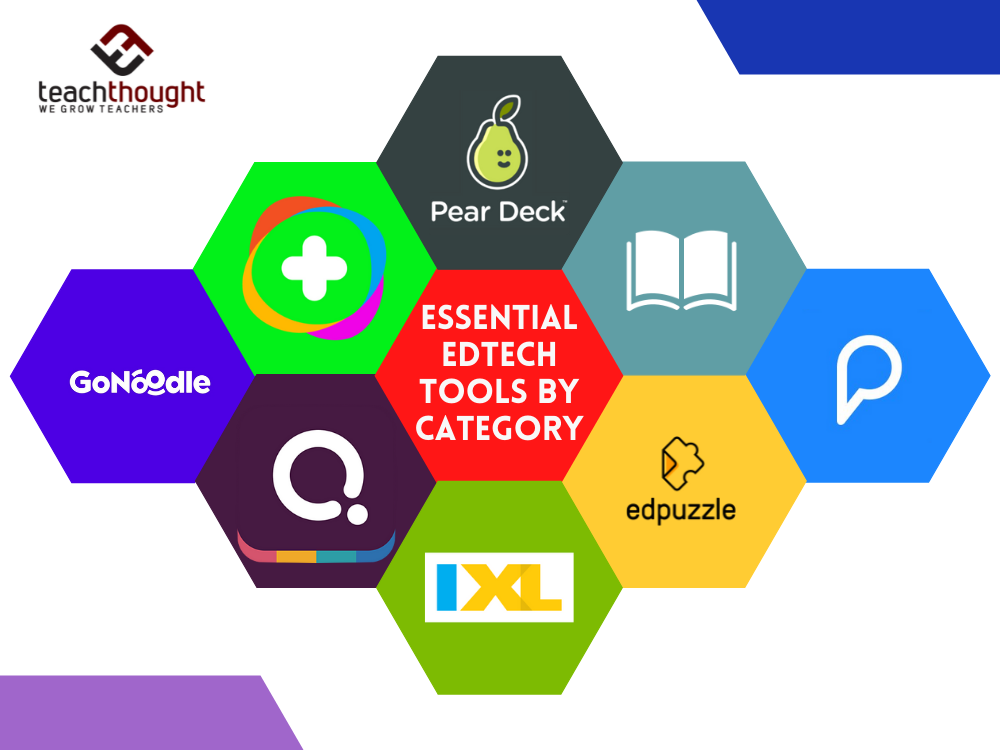
Credit: www.teachthought.com
Edtech Evolution
Education technology has changed a lot over time. Early digital tools were simple. They helped teachers show lessons on computers. These tools made learning more fun and clear.
Interactive platforms grew fast. They let students join classes online. Quizzes, videos, and chats made lessons active. Students could learn with friends and teachers from anywhere.
Mobile learning became popular too. Phones and tablets made learning easy everywhere. Students can study on the go. Apps help them practice skills anytime. This growth gave learning more freedom and choice.

Credit: acacia.edu
Key Tools Shaping Education
Learning Management Systems (LMS) help teachers and students organize lessons online. They allow easy sharing of homework, grades, and class materials. Virtual and Augmented Reality create fun, interactive learning experiences. Students can explore places or objects without leaving the classroom.
Artificial Intelligence Applications support personalized learning by adapting to each student’s pace. They help with grading and answering simple questions. Collaborative Software lets students work together on projects, even when they are far apart. Tools like shared documents and chat rooms make teamwork simple and fast.
Benefits For Learners
Personalized learning paths help students learn at their own speed. Lessons fit each learner’s needs and skills. This approach makes learning easier and less stressful. It allows students to focus on topics they find hard. Teachers can also track progress and adjust lessons quickly.
Enhanced engagement happens through interactive tools like videos, quizzes, and games. These tools make learning fun and keep students interested. Active participation helps learners remember information better. It also encourages creativity and problem-solving skills.
Accessibility and inclusion ensure all students can join learning. Tools support learners with disabilities by offering text-to-speech, subtitles, or easy navigation. This helps remove barriers and gives equal chances to everyone. Education becomes fairer and more welcoming for all.
Impact On Educators
Streamlined lesson planning helps teachers save time. Tools offer easy templates and ready-made activities. This allows teachers to focus on teaching, not just preparing materials.
Real-time student assessment shows how students perform during lessons. Teachers can quickly see who needs help. This makes teaching more effective and personalized.
Professional development tools support teachers’ learning. Online courses and webinars help them gain new skills. Teachers can learn at their own pace and improve their work.
Challenges To Overcome
The digital divide means many students lack good internet or devices. This stops them from using technology well. Schools must find ways to help all students get online and use tools easily.
Data privacy concerns arise because student information is stored online. Protecting this data is very important. Schools and companies need strong rules to keep information safe and private.
Resistance to change happens when teachers and students prefer old ways. Some feel unsure or scared of new tech. Training and support help everyone feel ready and confident to use new tools.
Future Trends In Edtech
Adaptive learning technologies change lessons to fit each student’s needs. They help learners move at their own pace and focus on topics they find hard. This makes learning more personal and effective.
Gamification adds fun to education by using games and rewards. It keeps students interested and motivated to learn more. Points, badges, and challenges make studying feel like play.
Integration with IoT means smart devices connect to classrooms. Sensors and gadgets can track progress and give instant feedback. This helps teachers understand how students are doing in real time.

Credit: educatorsofbmls.com
Frequently Asked Questions
What Are Education Technology Tools?
Education technology tools are digital resources that enhance learning and teaching. They include software, apps, and platforms that support interactive lessons, assessments, and collaboration, making education more engaging and accessible for students and educators.
How Do Education Technology Tools Improve Learning?
These tools personalize learning, provide instant feedback, and foster collaboration. They help students learn at their own pace and enable teachers to track progress effectively, leading to better understanding and retention of knowledge.
Which Education Technology Tools Are Best For Classrooms?
Popular tools include Google Classroom, Kahoot!, Quizlet, and Microsoft Teams. These platforms support communication, assessment, and interactive activities, making them ideal for diverse classroom settings and enhancing student engagement.
Are Education Technology Tools Suitable For All Age Groups?
Yes, education technology tools cater to all age groups. They offer age-appropriate content and features, ensuring effective learning experiences from early childhood through higher education and professional development.
Conclusion
Education technology tools help teachers and students learn better. They make lessons more fun and easy to understand. These tools save time and keep students interested. Schools can use them to improve teaching methods. Technology in education supports different learning styles.
It also helps students work together even from far away. Choosing the right tools can boost learning success. Embracing these tools means a brighter future for education. Try to explore and use them in your learning journey.