Imagine your home turning on the lights before you even step inside. Picture your fridge reminding you to buy milk or your watch alerting you when it’s time to move.
These aren’t scenes from a sci-fi movie—they are real examples of the Internet of Things (IoT) in action. If you’ve ever wondered how everyday devices connect and work together to make your life easier, this article is for you. Keep reading, and you’ll discover simple, surprising IoT examples that might change the way you see the world around you.
Smart Homes
Connected appliances make daily tasks easier by linking devices to the internet. Examples include smart refrigerators that track groceries and ovens that you can control from your phone. These devices save time and help manage home chores efficiently.
Home security systems use sensors and cameras connected to the internet to keep houses safe. They can alert homeowners about unusual activities immediately. Many systems allow remote control and monitoring through apps, providing peace of mind.
Energy management systems help save power by controlling lighting, heating, and cooling automatically. Smart thermostats adjust the temperature based on your schedule. These systems reduce energy bills and help the environment by using power wisely.
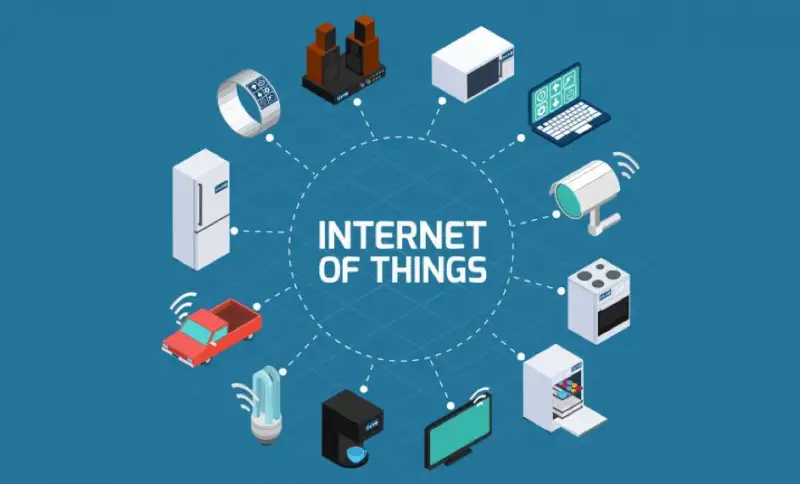
Credit: www.prosec-networks.com
Wearable Devices
Wearable devices help people track their health and fitness easily. Health monitoring wearables check things like heart rate and sleep quality. They send this data to your phone for easy viewing.
Fitness trackers count steps, measure distance, and record calories burned. They motivate users to stay active every day. Many also remind you to move if you sit too long.
Smart watches do more than tell time. They show notifications, track workouts, and monitor your health. Some can even detect falls and alert emergency contacts quickly.
Smart Cities
Smart cities use IoT devices to make life easier and safer. For traffic management, sensors and cameras track cars and buses. This helps control traffic lights and reduce jams. People can get real-time updates on road conditions. Public safety improves with connected cameras and alarms. They help police respond quickly to emergencies. Sensors can detect fires or gas leaks early, saving lives.
In waste management, smart bins tell when they are full. This helps trucks collect trash only when needed. It saves time and reduces pollution. Cities become cleaner and more efficient with these smart systems.

Credit: ismguide.com
Industrial Iot
Predictive maintenance uses sensors to watch machines all the time. It helps find problems before they cause big trouble. This saves money and stops machines from breaking down.
Supply chain optimization means using IoT to track goods from factories to stores. It helps companies know where items are and when they will arrive. This makes delivery faster and reduces waste.
Automation uses smart machines to do tasks by themselves. It helps factories work better and faster. Robots can do simple or hard jobs without getting tired or making mistakes.
Agriculture
Precision farming helps farmers grow crops better. Sensors in the soil check water and nutrients. This data guides farmers to use just the right amount of water and fertilizer. Saves money and helps plants grow strong.
Soil monitoring uses smart devices to track soil health. Farmers know when soil is dry or needs nutrients. It stops overwatering and keeps soil healthy. This leads to better crop yields.
Livestock tracking uses small devices on animals. Farmers can watch their health and location anytime. This helps find lost animals fast. Also, it keeps animals safe and healthy. Farmers can give medicine when needed.
Healthcare
Remote Patient Monitoring lets doctors check patients from far away. Devices track heart rate, blood pressure, and sugar levels. This helps catch problems early. Patients can stay home and feel safe.
Smart Medical Devices include wearables like fitness trackers and smartwatches. They collect health data all day long. Doctors use this data to give better advice. These devices also remind patients to take medicine.
Telemedicine allows people to talk to doctors through video calls. No need to travel or wait in long lines. Patients get quick help for common illnesses. It saves time and money for everyone.
Transportation
Connected vehicles use sensors and internet to share data. This helps drivers get real-time traffic updates and avoid accidents. Cars can also connect to smart devices for easier control.
Fleet management tracks vehicles in real time. Companies can see where each vehicle is and how fast it moves. This saves fuel and improves delivery times. It also helps keep drivers safe.
Smart parking systems guide drivers to free spots quickly. Sensors detect empty spaces and send alerts to phones. This reduces time spent searching for parking and cuts traffic jams.
Retail
Inventory Management uses IoT devices like sensors and RFID tags. They track stock levels in real time. This helps stores avoid running out of items or having too much stock. Employees get alerts about low stock, so they can restock fast.
Customer Experience improves with IoT by personalizing service. Smart devices gather data on what customers like. Stores can suggest products customers might want. This makes shopping easier and faster.
Smart Shelves have weight sensors and cameras. They detect when products are taken or moved. Shelves send this data to store systems instantly. This helps keep products organized and stocked correctly. No more empty shelves unnoticed.
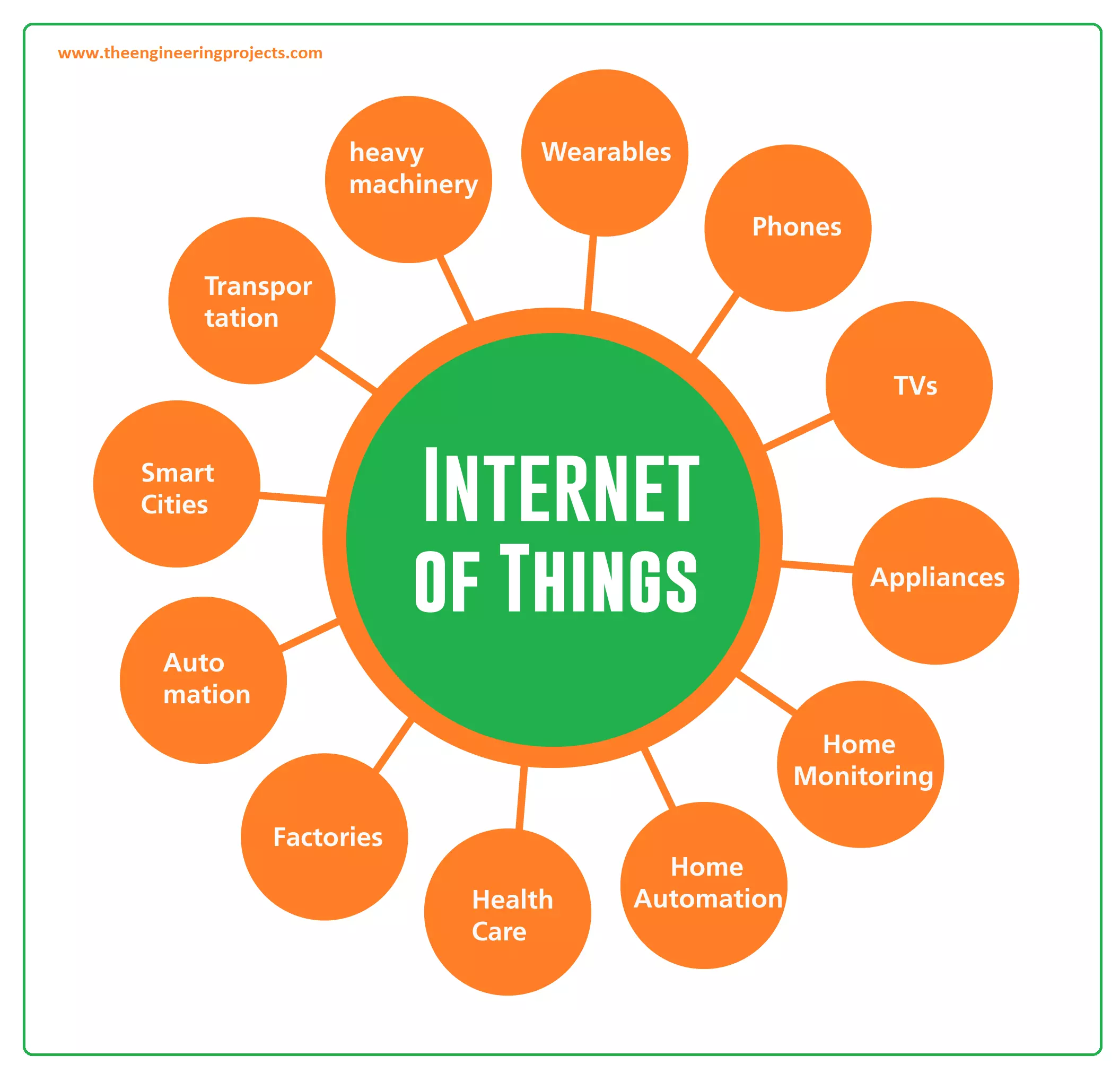
Credit: www.theengineeringprojects.com
Frequently Asked Questions
What Are Common Internet Of Things Examples?
Common IoT examples include smart home devices, wearable fitness trackers, connected cars, and smart city sensors. These devices collect data and improve daily life by enabling automation and remote control.
How Does Iot Impact Daily Life?
IoT enhances convenience, efficiency, and safety. It automates tasks, monitors health, optimizes energy use, and improves communication between devices and users.
Which Industries Benefit Most From Iot?
Healthcare, manufacturing, agriculture, transportation, and smart cities benefit greatly. IoT improves process automation, asset tracking, predictive maintenance, and real-time data analysis in these sectors.
What Are Smart Home Iot Devices?
Smart home IoT devices include thermostats, security cameras, lighting systems, and voice assistants. They enable remote control, energy savings, and enhanced security for homeowners.
Conclusion
The Internet of Things touches many parts of daily life. Smart homes, wearable devices, and connected cars show its reach. These examples prove IoT helps save time and effort. It also improves safety and convenience for many users. As technology grows, expect IoT to appear in new ways.
Small steps today lead to bigger changes tomorrow. Keep an eye on how IoT shapes the future. It’s clear this technology will stay part of life. Simple, useful, and connected—IoT is here to stay.