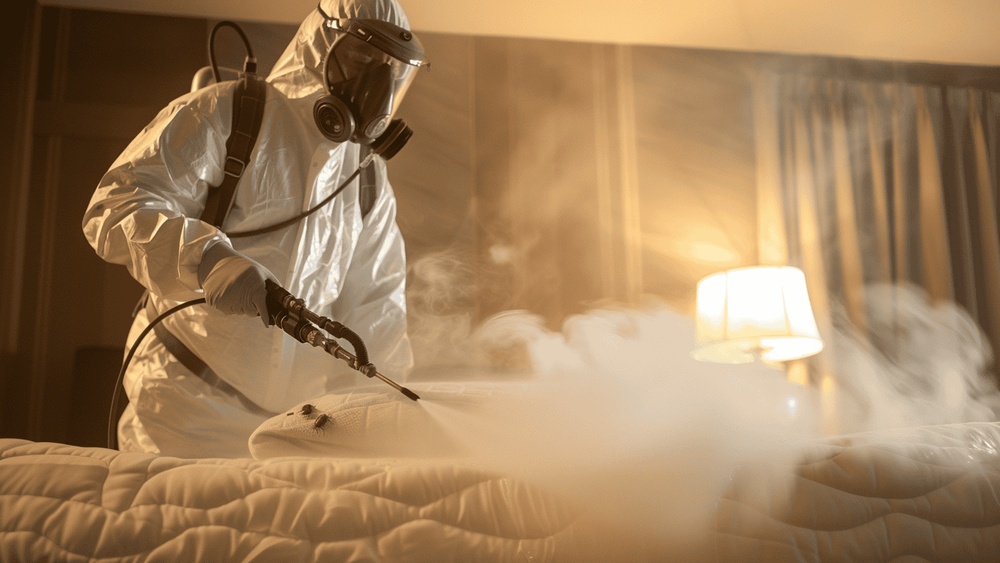
Are you worried about bed bugs invading your home? These tiny pests can cause big problems, from itchy bites to sleepless nights.
If you’ve spotted signs of bed bugs, you need a solution that works fast and keeps your family safe. That’s where residential bed bug extermination services come in. You’ll discover how professional help can protect your home and give you peace of mind.
Keep reading to learn what to expect and how to choose the right service for your needs.

Credit: pfharris.com
Signs Of Bed Bug Infestation
Bed bugs are tiny pests that hide in homes and cause many problems. Knowing the signs of bed bug infestation helps stop them early. This section explains how to spot bed bugs before they spread.
Common Symptoms In Homes
Bed bugs often hide in beds, furniture, and cracks. You may notice a sweet, musty smell in the room. Small dark spots on mattresses or walls can also appear. These spots are often bed bug droppings. Some people find tiny white eggs or shed skins near sleeping areas. These signs mean bed bugs are nearby.
Identifying Bed Bug Bites
Bed bug bites look like small, red bumps. They often form lines or clusters on the skin. Bites cause itching and discomfort. These bites usually appear on exposed skin, such as arms, neck, and face. Not everyone reacts the same way to bites. Some people may not see any marks.
Spotting Physical Evidence
Look closely for live bed bugs around your bed. They are small, brownish, and oval-shaped. Check mattress seams, bed frames, and furniture cracks. You might find tiny blood stains on sheets. Bed bugs hide in dark places during the day. Finding physical evidence confirms an infestation.
Credit: bedbugbbq.com
Why Professional Extermination Matters
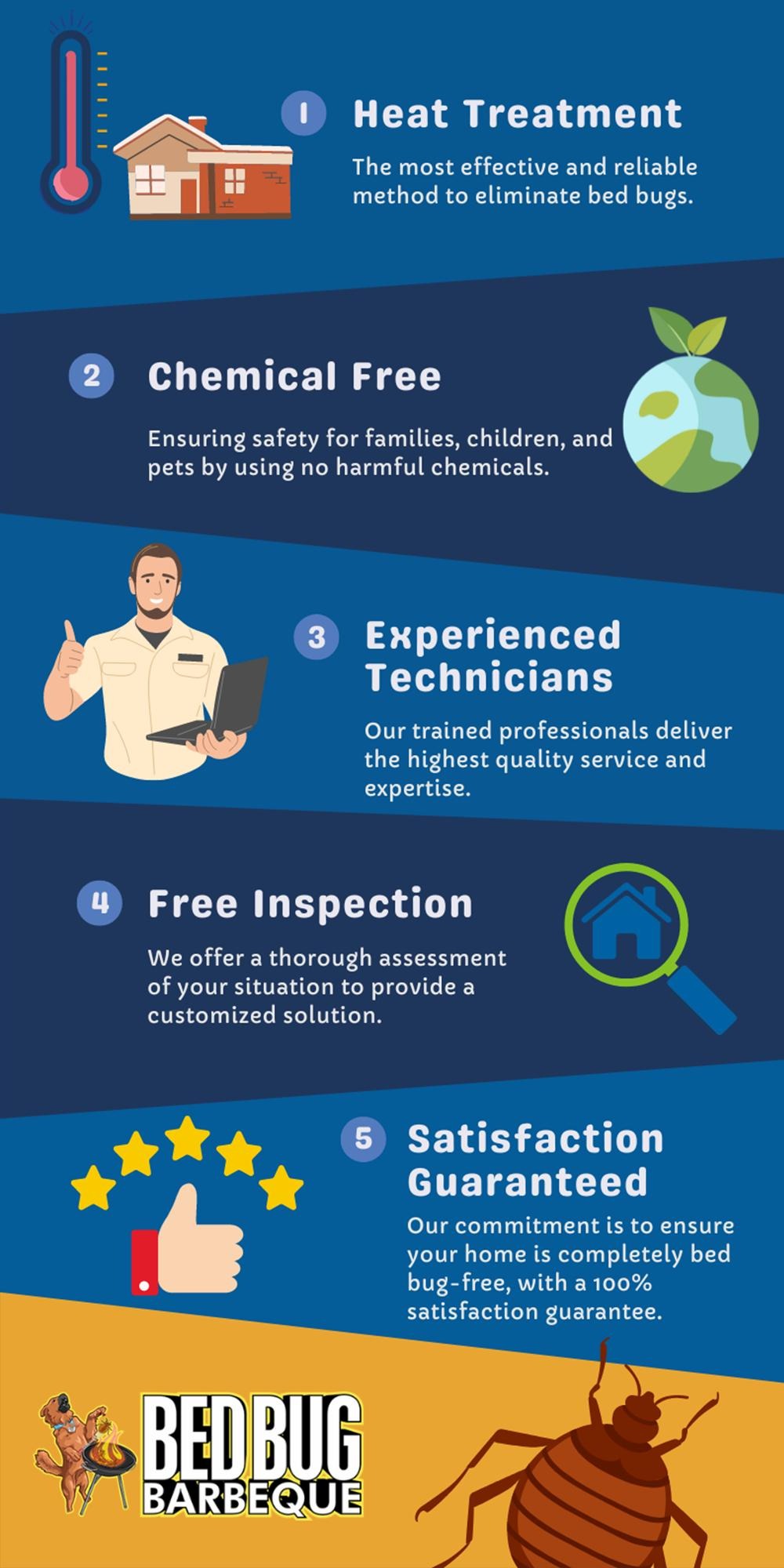
Professional bed bug extermination is essential for effective pest control. Bed bugs are hard to find and even harder to kill. They hide in cracks and crevices, making DIY methods often ineffective. Experts use tools and treatments designed to reach these hidden spots. They ensure the bugs do not come back.
Choosing professional help saves time and reduces stress. The process is thorough and follows safety rules. This approach protects your family and home from chemical risks. Understanding why professional extermination matters helps you make the right choice for your home.
Limitations Of Diy Methods
DIY treatments often miss bed bugs in hidden places. Many over-the-counter products do not kill eggs or resistant bugs. Improper use of chemicals can spread the infestation instead of stopping it. Home remedies may only provide short-term relief, not a full solution. Lack of knowledge leads to repeated problems and wasted money.
Benefits Of Expert Treatment
Professionals identify the type and extent of the infestation. They use strong, safe chemicals unavailable to the public. Experts apply treatments that reach every hiding spot. They offer follow-up visits to ensure complete elimination. Their experience helps prevent future infestations quickly and effectively.
Safety Considerations
Experts know how to handle chemicals safely around children and pets. They use protective gear and follow health guidelines. Professional treatments reduce the risk of chemical exposure at home. They advise on preparing your home before and after treatment. This careful approach keeps your family safe during extermination.
Types Of Extermination Techniques
Residential bed bug extermination uses different techniques to remove pests effectively. Each method targets bed bugs in a unique way. Choosing the right technique depends on the infestation size and home conditions. Understanding these methods helps homeowners pick the best solution.
Heat Treatment
Heat treatment kills bed bugs using high temperatures. Professionals raise room temperatures to over 120°F. This heat penetrates walls, furniture, and cracks where bugs hide. It kills all life stages, including eggs. The process usually takes a few hours. Heat treatment is chemical-free and safe for most belongings.
Chemical Solutions
Chemical solutions use insecticides to kill bed bugs. Experts apply sprays or dust to infested areas. These chemicals attack the bugs’ nervous system. Some products work fast, while others provide long-lasting protection. Proper use is crucial to avoid health risks. Professionals know which chemicals are safe for homes and pets.
Cryonite And Steam Methods
Cryonite uses freezing carbon dioxide to kill bed bugs instantly. It leaves no chemical residue and works well on sensitive items. Steam treatment uses high-temperature steam to kill bugs and eggs. Steam penetrates fabric and cracks effectively. Both methods are eco-friendly and safe for most surfaces.
Integrated Pest Management
Integrated Pest Management (IPM) combines several methods to control bed bugs. It includes inspection, monitoring, and prevention steps. IPM uses heat, chemicals, steam, or cryonite as needed. This approach reduces pesticide use and focuses on long-term control. IPM helps keep homes bed bug-free without overusing chemicals.
Preparing Your Home For Treatment
Preparing your home for bed bug extermination is important. It helps the treatment work better and faster. Following clear steps can reduce problems during and after the service. This guide explains what to do before, during, and after the treatment.
Pre-treatment Cleaning Steps
Start by removing clutter from all rooms. Bed bugs hide in piles of clothes and boxes. Wash all bedding, curtains, and clothes in hot water. Dry them on high heat to kill any bugs or eggs. Vacuum floors, carpets, and furniture carefully. Empty the vacuum bag outside immediately. Seal cracks and crevices where bed bugs may hide. Move furniture away from walls for better access. Do not use insect sprays before treatment. These can stop the professional chemicals from working well.
What To Expect During Service
The exterminator will inspect your home closely. They look for signs of bed bugs on beds and furniture. Treatment usually takes a few hours. You may need to leave your home during this time. Professionals use sprays, heat, or steam to kill bugs. They focus on places where bed bugs hide. You might see dead bugs after treatment. This is normal and shows the treatment is working. The technician will explain safety measures and next steps.
Post-treatment Precautions
Keep your home closed for several hours after treatment. Avoid cleaning or vacuuming treated areas for a few days. This lets the chemicals work effectively. Wash all bedding and clothes again after the waiting period. Check your bed and furniture regularly for signs of bed bugs. Repeat treatments may be needed to fully eliminate the problem. Stay alert and contact the exterminator if you see more bugs. Early action prevents a bigger infestation later.
Choosing The Right Extermination Service
Choosing the right bed bug extermination service is important for a safe home. The wrong choice can waste time and money. A good service uses safe methods and gets rid of bugs fast. Take time to pick a service that fits your needs well. This helps avoid future problems and keeps your family healthy.
Evaluating Company Credentials
Check if the company has proper licenses and certifications. A licensed service follows state rules and safety standards. Look for experience in treating bed bugs specifically. Read customer reviews to see their success rate. Ask if the technicians are trained and insured. These points show if the company is trustworthy and skilled.
Comparing Treatment Options
Different services use different methods to kill bed bugs. Some use chemicals, others use heat or steam treatments. Ask about the safety of each method for children and pets. Find out how many visits the treatment needs. Choose a method that fits your home and budget. Effective treatments often combine several techniques.
Cost Factors And Guarantees
Price depends on infestation size and treatment type. Get written estimates from multiple companies before deciding. Beware of very low prices; they may mean poor service. Check if the company offers any guarantees or follow-up visits. Guarantees protect you if bed bugs return after treatment. Clear costs and guarantees give peace of mind.
Preventing Future Infestations
Stopping bed bugs from returning needs ongoing care. Even after treatment, small eggs or bugs can hide. Taking steps to prevent new infestations keeps your home safe. It also saves time and money in the long run.
Regular Home Inspection Tips
Check your mattress and bed frame every week. Look in cracks, seams, and corners for tiny bugs or dark spots. Use a flashlight for better visibility. Inspect furniture near the bed and behind pictures on walls. Early detection helps catch infestations before they grow.
Preventive Measures And Habits
Keep clutter low to reduce hiding places. Wash bedding and curtains in hot water often. Vacuum floors and furniture regularly. Seal cracks and crevices in walls and floors. Avoid bringing secondhand furniture inside without inspection. Use mattress and box spring covers made to block bed bugs.
When To Schedule Follow-up Services
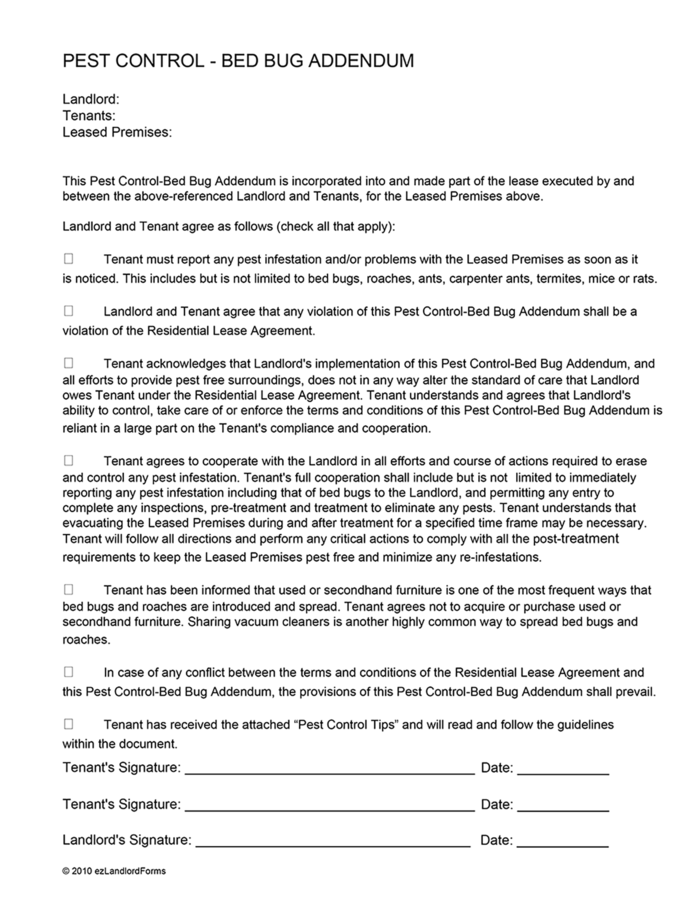
Book follow-up pest control visits after initial treatment. Follow the schedule your pest professional recommends. Early follow-ups catch missed bugs and eggs. Call a professional if you see signs of bed bugs again. Quick action stops infestations from spreading again.
Credit: www.ezlandlordforms.com
Frequently Asked Questions
What Are Common Signs Of Bed Bugs In My Home?
Common signs include red itchy bites, dark spots on bedding, and a sweet musty odor. You may also see live bugs in mattress seams or furniture cracks. Early detection helps prevent infestations and reduces extermination costs.
How Long Does Residential Bed Bug Extermination Take?
Extermination typically takes 1 to 3 visits over 2 to 4 weeks. The timeline varies based on infestation severity, treatment type, and property size. Professional services ensure thorough elimination and prevent re-infestation.
Are Bed Bug Extermination Chemicals Safe For Families?
Yes, licensed professionals use EPA-approved, low-toxicity chemicals safe for people and pets. They follow strict safety protocols to minimize risks. Always inform your exterminator about allergies or sensitivities before treatment.
Can I Prevent Bed Bugs After Extermination?
Yes, maintain cleanliness, inspect secondhand furniture, use mattress encasements, and reduce clutter. Regular inspections and prompt treatment help prevent future infestations. Professional advice can guide effective prevention strategies.
Conclusion
Bed bug problems can disrupt your daily life and sleep. Choosing professional extermination helps remove these pests fast. Experts know how to find and treat all hiding spots. They use safe methods to protect your family and home. Acting quickly stops the bugs from spreading further.
Clean and inspect your home regularly to prevent return. Trusting skilled services brings peace of mind and comfort. A bed bug-free home means better rest and health. Take control today and enjoy a fresh, safe space.