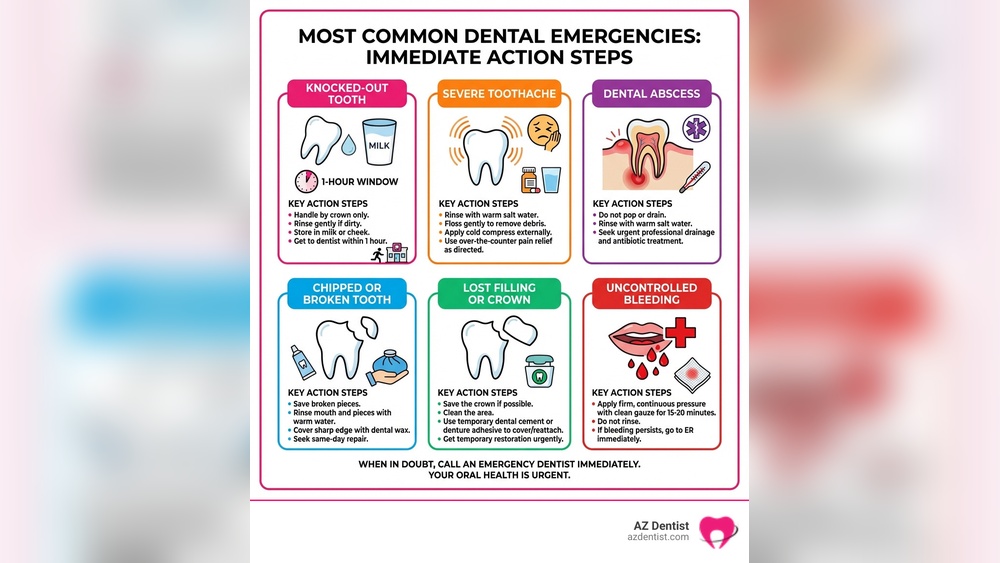
Are you struggling with sudden tooth pain that just won’t go away? You know how distracting and uncomfortable it can be.
When the pain hits, finding quick and effective relief is your top priority. But where do you turn when you need a “tooth pain relief dentist near me urgent”? This article will guide you through the best steps to take right now, helping you ease your pain fast and get the care you need without delay.
Keep reading to discover how to stop your toothache from ruining your day and find urgent help near you.
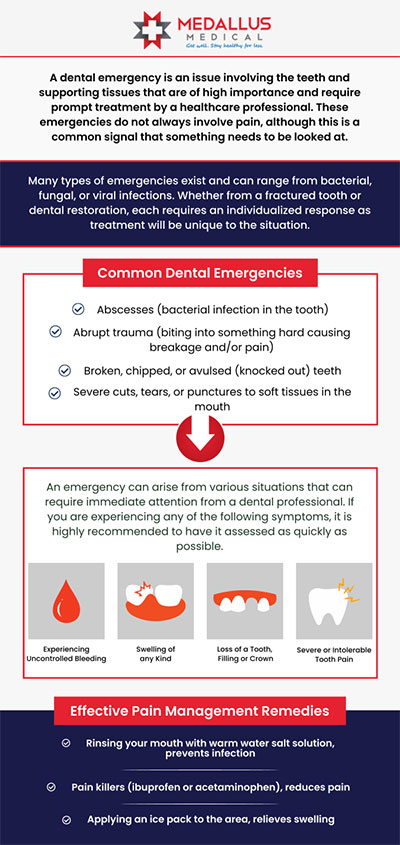
Credit: medallusmedicalnd.com
Common Causes Of Tooth Pain
Tooth pain can disrupt daily life and cause serious discomfort. Knowing the common causes helps you understand why it happens. This knowledge guides you to seek urgent care from a tooth pain relief dentist near me. Many factors can lead to tooth pain. Some are simple to fix, while others need immediate attention.
Tooth Decay And Cavities
Tooth decay is a major cause of tooth pain. It happens when bacteria eat away the enamel. Cavities form as small holes in the teeth. These holes expose nerves, causing sharp pain. Ignoring cavities can lead to severe toothaches and infection.
Gum Disease And Infections
Gum disease causes swelling, redness, and pain. It starts with plaque buildup near the gums. If untreated, it leads to infection and tooth loss. Gum infections cause throbbing pain and sensitivity. Early treatment can stop the damage.
Tooth Fractures And Trauma
Cracked or broken teeth cause immediate pain. Trauma from accidents or biting hard food can break teeth. Fractures expose the inner layers and nerves. Pain worsens with chewing or temperature changes. Urgent dental care is essential to save the tooth.
Sensitivity To Temperature
Sensitive teeth react to hot or cold foods. This sensitivity causes sharp, brief pain. Worn enamel or exposed roots often cause sensitivity. It signals that the tooth’s protective layer is damaged. Dentists can treat sensitivity to ease the pain.
Impacted Wisdom Teeth
Impacted wisdom teeth grow sideways or stay trapped. They press against other teeth, causing pain and swelling. Impacted teeth can lead to infection and damage. Pain near the back of the mouth often points to this issue. Timely removal prevents further problems.
When To Seek Urgent Dental Care
Tooth pain can range from mild to severe. Knowing when to seek urgent dental care can save your teeth and reduce discomfort. Some signs show that you need immediate attention from a dentist. Acting quickly can prevent complications and infections.
Signs Of Severe Tooth Pain
Sharp, intense pain that does not stop is a warning sign. Pain that wakes you up at night or lasts for hours needs urgent care. Throbbing or pulsing pain may mean an infection or nerve damage.
Swelling And Abscess Symptoms
Swelling around the tooth or face is serious. A pimple-like bump on your gums could be an abscess. Abscesses can spread infection and cause severe damage. Do not ignore swelling or pus near a tooth.
Difficulty Eating Or Speaking
Pain that stops you from chewing or talking is urgent. If moving your jaw hurts, see a dentist quickly. Difficulty opening your mouth or swallowing may signal serious problems.
Fever And Systemic Symptoms
A fever with tooth pain shows infection may be spreading. Chills, fatigue, or swollen lymph nodes need prompt dental care. These symptoms require immediate treatment to avoid health risks.
Duration Of Pain Concerns
Tooth pain lasting more than two days needs attention. Do not wait for pain to go away on its own. Persistent pain often means deeper dental issues. Early care helps prevent complex treatments later.
Fast Relief Options At Home
Tooth pain can strike at any moment. Finding fast relief at home helps ease discomfort until you see a dentist. Several simple methods can reduce pain quickly. These options are safe and easy to try.
Over-the-counter Pain Relievers
Pain relievers like ibuprofen or acetaminophen reduce tooth pain effectively. Follow the package instructions for the correct dose. These medicines help lower inflammation and numb the pain. Avoid taking more than the recommended amount.
Cold Compress Application
Applying a cold compress to the cheek can numb the area. Use a cloth-wrapped ice pack for 15 minutes at a time. The cold reduces swelling and slows nerve signals. Do not place ice directly on the skin to avoid frostbite.
Saltwater Rinses
Rinsing your mouth with warm saltwater cleans the area around the tooth. Mix half a teaspoon of salt in a glass of warm water. Swish gently for 30 seconds and spit it out. Saltwater helps reduce bacteria and soothes gum irritation.
Avoiding Pain Triggers
Hot, cold, or sweet foods often increase tooth pain. Stick to soft, mild foods until the pain lessens. Avoid chewing on the side with pain. Stop habits like grinding or clenching your teeth, which worsen pain.
Temporary Dental Fillings
Temporary dental filling kits can cover cavities or cracks. These kits protect the tooth from air and food. Follow the instructions carefully for safe use. This is a short-term solution until a dentist fixes the tooth properly.
Professional Treatments For Tooth Pain
Tooth pain can be sharp, dull, or constant. Professional dental treatments help stop the pain fast. Dentists use different methods based on the cause. These treatments protect your teeth and ease discomfort.
Understanding these options helps you choose the right care. Here are common professional treatments for tooth pain relief.
Root Canal Therapy
Root canal therapy saves a tooth with an infected nerve. The dentist removes the damaged tissue inside the tooth. This stops infection and reduces pain. After cleaning, the tooth is sealed to prevent more damage. Root canals often save teeth that would need removal.
Tooth Extraction Procedures
Sometimes a tooth is too damaged to fix. Extraction removes the tooth to stop pain and infection. Dentists numb the area before removal. After extraction, the site heals over time. This treatment helps if the tooth causes severe pain or infection.
Antibiotic Prescriptions
Antibiotics fight bacterial infections causing tooth pain. Dentists prescribe them if infection spreads beyond the tooth. These medicines reduce swelling and help healing. They work best combined with other dental treatments.
Dental Crowns And Fillings
Fillings repair small cavities that cause pain. Dentists clean the decay and fill the hole with safe material. Crowns cover and protect weak or broken teeth. Both treatments restore tooth function and stop pain.
Emergency Dental Services
Urgent tooth pain needs quick professional care. Emergency dentists treat severe pain, swelling, or injury fast. They offer exams, pain relief, and immediate treatments. Getting help quickly prevents worse problems later.
Finding A Dentist Near You Quickly
Finding a dentist near you quickly can ease tooth pain fast. Time is important during dental pain. A quick search and some planning can connect you to care right away.
Knowing where to check and what to expect helps reduce stress. This guide shows simple ways to find urgent dental help fast.
Using Online Directories And Reviews
Online directories list dentists in your area. They show contact details and office hours. Reading patient reviews gives insight into their care. Check ratings to pick trusted dentists quickly. Use filters for emergency services to save time.
Emergency Dental Clinics
Emergency dental clinics focus on urgent care. They accept walk-ins for pain relief. Clinics often work late or on weekends. Visit one to get fast treatment. Keep a list of nearby clinics ready for quick access.
Insurance And Payment Options
Check if the dentist accepts your insurance. This avoids surprise costs. Ask about payment plans if needed. Some clinics offer discounts for urgent care. Knowing payment options helps you act fast without worry.
Tele-dentistry Services
Tele-dentistry lets you talk to a dentist online. Describe your pain and get advice quickly. They can guide you on next steps. Some issues can be handled without an office visit. Use tele-dentistry for fast initial help.
Preparing For Your Visit
Gather your ID, insurance card, and payment method. Write down your symptoms and pain level. Bring any past dental records if available. Arrive early to fill out forms. Being ready helps speed up your care.

Credit: www.leominsterfamilydentists.com
Preventing Future Tooth Pain
Preventing future tooth pain starts with simple, consistent care. Avoiding pain means taking steps to keep your teeth healthy every day. Small habits protect your smile and save you from urgent visits to the dentist. Knowing what to do helps you avoid discomfort and costly treatments later.
Daily Oral Hygiene Habits
Brush your teeth twice a day using fluoride toothpaste. Use a soft-bristled toothbrush to avoid hurting your gums. Floss daily to remove food and plaque between teeth. Rinse with mouthwash to kill bacteria and freshen breath. These habits stop decay and gum disease before they start.
Regular Dental Checkups
Visit your dentist at least twice a year. Professional cleanings remove plaque and tartar you miss at home. Early checks catch problems before they cause pain. Your dentist can spot cavities, infections, or other issues early. Regular visits keep your smile strong and pain-free.
Diet And Lifestyle Tips
Limit sugary and acidic foods that wear down tooth enamel. Drink plenty of water to wash away food particles. Avoid smoking and chewing tobacco, which harm your gums and teeth. Eating crunchy fruits and vegetables helps clean teeth naturally. Healthy choices support strong teeth and reduce pain risk.
Protective Dental Appliances
Use a mouthguard if you grind your teeth at night. Sports guards protect teeth during physical activities. These devices prevent cracks, chips, and wear that cause pain. Talk to your dentist about the right appliance for you. Protection today means less pain tomorrow.
Managing Chronic Conditions
Conditions like diabetes affect oral health and increase pain risk. Control blood sugar levels to protect your gums and teeth. Inform your dentist about any health issues or medications. Proper management reduces complications that lead to tooth pain. Stay on top of your health for a pain-free smile.

Credit: www.stoneridgefamilydentistry.com
Frequently Asked Questions
What Causes Sudden Tooth Pain Requiring Urgent Dentist Visits?
Sudden tooth pain often results from infections, cavities, or abscesses. Trauma or cracked teeth also cause sharp pain. Immediate dental care is crucial to prevent complications and relieve discomfort quickly.
How To Find A Tooth Pain Relief Dentist Near Me?
Search online using keywords like “tooth pain relief dentist near me. ” Check reviews and ratings for urgent dental services. Call local clinics to confirm availability for emergency appointments.
What Treatments Do Dentists Offer For Urgent Tooth Pain?
Dentists provide pain relief through antibiotics, fillings, root canals, or extractions. They also recommend temporary solutions like painkillers until proper treatment is done. Early intervention reduces infection risks and speeds recovery.
When Should I Visit The Dentist For Tooth Pain Urgently?
Visit immediately if pain is severe, persistent, or accompanied by swelling or fever. Early visits prevent worsening infections and complications. Don’t delay if over-the-counter painkillers fail to help.
Conclusion
Tooth pain can strike at any time, and it hurts badly. Finding a nearby dentist who offers quick relief matters most. Acting fast helps stop the pain from getting worse. Trust skilled professionals to give the care you need. Don’t wait until the pain becomes unbearable.
Take steps now to protect your smile and health. Your comfort and well-being are the top priority. Keep calm, and get help without delay.